The global entertainment landscape is undergoing a tectonic shift. For decades, the industry was driven by major studios, top-down marketing, and traditional media gatekeepers. Today, however, the narrative is increasingly dictated by a powerful, decentralized force: Korean fandom culture. What began as a local phenomenon of passionate support has evolved into a sophisticated, global engine of digital activism and cultural influence that companies around the world are desperate to emulate.
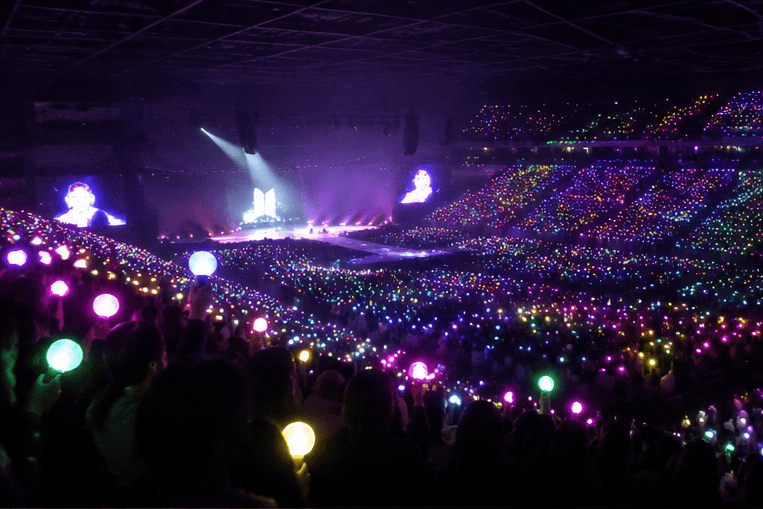
1. How Korean Fandoms Changed the K-pop Industry Forever
K-pop is not just music; it is an ecosystem sustained by unparalleled fan dedication. Unlike Western music markets that rely heavily on radio play, K-pop growth is fueled by fan-led “digital strategy.”
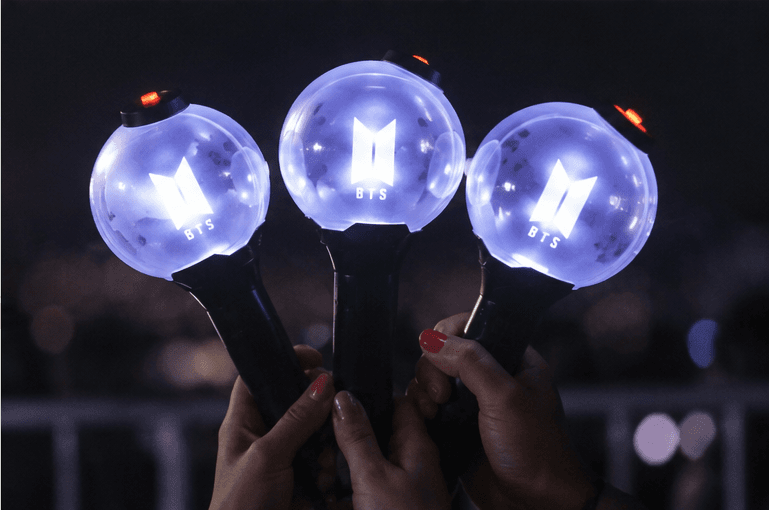
The BTS ARMY Blueprint
The most prominent case study is the BTS ARMY. When BTS became the first Korean act to top the Billboard Hot 100, it was not merely by chance. It was the result of a global, synchronized effort.
•Organized Digital Campaigns: ARMY fans utilize data analysts and “streaming guides” to maximize digital reach across platforms like Spotify and YouTube.
•Global Solidarity: When individual fans lack access to certain markets, the fandom coordinates “digital support” across borders, ensuring that Korean artists stay trending in markets from the US to Brazil.
The Power of “Album Pre-orders”
The K-pop “Group Buy” (Gong-gu) culture has revolutionized how the industry tracks success. By organizing collective purchasing power, K-pop fandoms ensure that an artist’s first-week sales figures break industry records, providing a massive psychological and financial boost that guarantees further investment from labels.
2. The Role of Technology: The Rise of ‘Fandom-Tech’
Why did Korea lead the way in creating dedicated fan-communication platforms? It was a necessity born from the need to bridge the distance between idols and fans.
•Weverse and Bubble: These platforms go beyond standard social media. They create an illusion of intimacy, allowing artists to send private messages or engage in live streams. This “parasocial connection” is a core pillar of modern K-pop trends.
•Data-Driven Fan Insights: Labels now use the data generated on these platforms to optimize concert tour locations and merchandise releases. If the data shows high engagement in specific cities in Europe, the tour is routed there. This is a level of precision that traditional Western talent management is only just beginning to adopt.
3. The IP Loop: From K-pop to K-Dramas and Webtoons
The expansion of Korean entertainment trends into dramas and webtoons is a testament to the “IP Loop.”
•The Webtoon-to-Screen Pipeline: Hit series like Moving, True Education, and Business Proposal are not random successes. They start as webtoons with pre-established, loyal digital audiences.
•Fan-Led Amplification: When a studio decides to adapt a popular webtoon into a drama, the existing fans act as the first marketing agency. They create excitement long before the trailer drops, effectively reducing the risk for streaming giants like Netflix.
4. Korean Fandoms and Social Impact: A Force for Good
One of the most defining characteristics of modern Korean fandom culture is its commitment to social impact. This activism strengthens the emotional bond between the fandom and the artist.
The Black Lives Matter (BLM) Donation Case
In June 2020, BTS and their fandom, ARMY, demonstrated the true power of digital activism. After BTS donated $1 million to the Black Lives Matter movement, the fan community launched a matching campaign.
•The Impact: Within 24 hours, fans raised another $1 million, showing that K-pop fans are not just passive consumers—they are a mobilized force for global social change.
•Reference: BTS and ARMYs Donate $1 Million to BLM Movement
This type of action transforms K-entertainment consumption into a moral and social statement, making it deeply attractive to Gen Z and Alpha generations globally.

5. What Western Entertainment Can Learn from Korea
Global media giants, including Disney+ and Warner Bros, are now scrutinizing the “Korean Model.” The key takeaways for the industry are:
Move from ‘Audience’ to ‘Community’: Stop treating viewers as passive consumers and start treating them as community members.
Prioritize Community-Built Narratives: Success is no longer determined by budget; it is determined by the depth of the community supporting it.
Engage, Don’t Just Distribute: Use technology to foster direct interaction. The “top-down” era is over; the “fan-participatory” era is here.
The Future of Fandom
Korean fandom culture teaches us that when people are deeply invested, they don’t just watch—they participate. They turn a static viewing experience into a social movement. This has fundamentally shifted the goalpost for the global entertainment industry.
As we look toward the next decade, success will belong to those who understand that in the world of K-entertainment, the fans are the stars, the strategists, and the most powerful voice in the room.
Join the Global Discourse
Ready to understand why Korean content is capturing the world’s imagination? Stay connected with our hub as we dive deeper into the trends rewriting the rules of the global entertainment map.
•[The Webtoon Phenomenon: From Digital Pages to Global Screens]
Continue Exploring
If you enjoyed this article, you may also like:
Why Global Companies Study Korean Fandom
What do you think is the secret to Korean fandom’s success? Share your thoughts in the comments below!