Outdoor Exercise in Korea is one of the easiest ways to understand how wellness fits into everyday life.
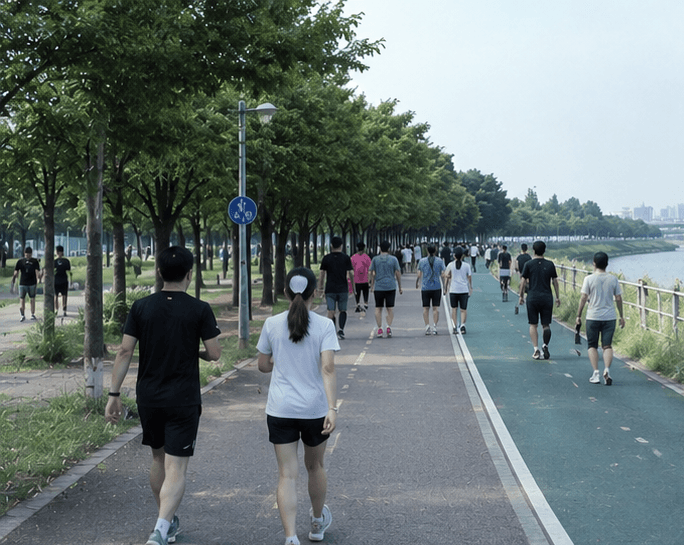
Visitors often notice that Koreans are active outside in almost every season. In the morning, seniors stretch in neighborhood parks. After work, office workers walk along riverside paths. On weekends, families hike nearby mountains, cyclists ride along the Han River, and running clubs gather in public parks.
What makes this culture interesting is that outdoor exercise does not always feel like a special event.
For many Koreans, it is simply part of daily life.
Instead of relying only on gyms or formal fitness programs, Korea has built an environment where movement is accessible, visible, and affordable. Parks, apartment walking paths, riverside trails, hiking routes, public sports courts, and outdoor exercise equipment all make it easier for people to stay active without complicated planning.
Outdoor Exercise in Korea reflects a larger lifestyle philosophy: small, consistent habits matter more than extreme routines.
Why Outdoor Exercise in Korea Feels So Natural
One reason Outdoor Exercise in Korea feels natural is that movement is built into ordinary spaces.
In many Korean neighborhoods, people do not need to travel far to find a place to walk, stretch, jog, or exercise. Apartment complexes often include walking paths, small gardens, outdoor fitness equipment, and nearby parks. Residential areas are commonly connected to public transportation, local shops, schools, and green spaces, encouraging people to move throughout the day.
This is different from a lifestyle where exercise only happens inside a fitness center.
In Korea, movement often happens between daily activities.
A person may walk to the subway station in the morning, take stairs inside a station, walk to lunch, stretch in a park after dinner, or go for a short night walk before bed. These actions may seem small, but repeated every day, they become meaningful.
This is why Outdoor Exercise in Korea is not limited to athletes or fitness enthusiasts. It is common among students, office workers, parents, retirees, and visitors.
Public Parks Make Fitness More Accessible
Korean parks play a major role in outdoor fitness culture.
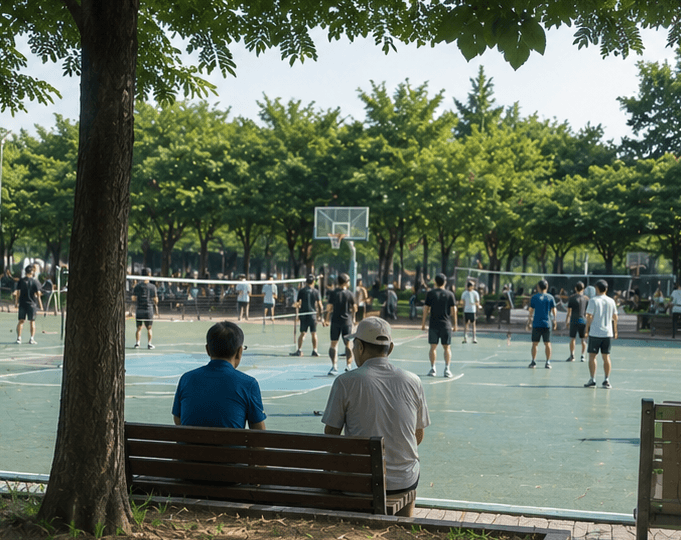
Many parks are designed not only for relaxation but also for everyday activity. Even small neighborhood parks often include walking loops, benches, shaded areas, and simple exercise stations. Larger parks may offer running tracks, sports fields, basketball courts, badminton areas, cycling paths, and open lawns.
The most important feature is accessibility.
Most of these spaces are free.
People can visit whenever they have time, whether early in the morning, during lunch, after work, or in the evening. This removes one of the biggest barriers to exercise: cost.
Outdoor Exercise in Korea benefits from this public design because people do not need memberships, reservations, or expensive equipment to start moving. A comfortable pair of shoes is often enough.
This also helps explain why parks are used by many generations at the same time. Seniors may use outdoor equipment, children may play nearby, office workers may jog after work, and families may take a slow walk together.
Outdoor Gyms Are Part of Everyday Korean Life
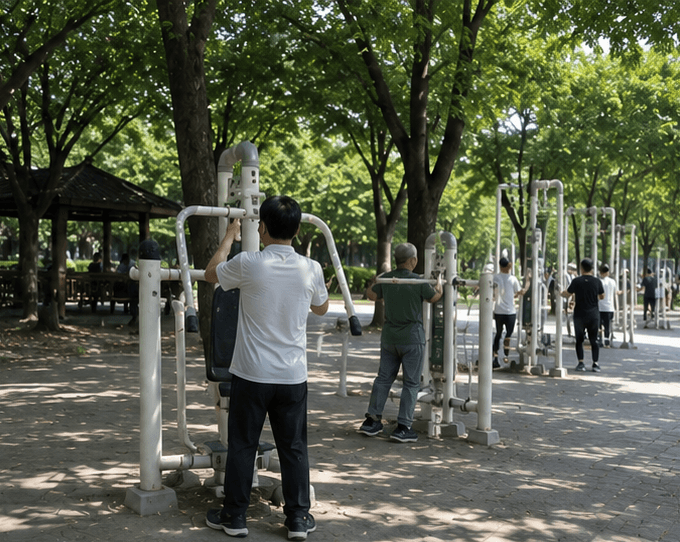
One of the most noticeable features of Korean parks is the outdoor gym.
These are simple fitness areas with public exercise machines, often located in parks, apartment complexes, riverside paths, and mountain entrances. Visitors may see people using shoulder wheels, leg presses, pull-up bars, stretching machines, waist-twisting platforms, and balance equipment.
To outsiders, these machines may look unusual at first.
But in Korea, they are a familiar part of public space.
Outdoor gyms are especially popular among older adults because they allow light exercise in a comfortable, social environment. Many seniors visit the same park every morning, use the equipment, walk with friends, and talk with neighbors.
This creates a routine that supports both physical health and social connection.
Younger people may not use these machines as frequently as seniors, but they still benefit from the same environment. They jog past the equipment, stretch nearby, or use public parks as part of their own workout routines.
This mix of generations is one reason Outdoor Exercise in Korea feels like a community activity rather than a private fitness habit.
The Han River as an Outdoor Fitness Center
The Han River is one of the best examples of how Korea turns public space into a fitness environment.
Along the river, people can walk, run, cycle, stretch, skate, and exercise outdoors while enjoying open views of Seoul. The riverfront includes long paths, parks, public rest areas, cycling routes, rental bikes, convenience stores, and open lawns.
For many Seoul residents, the Han River functions like a giant outdoor gym.
Early in the morning, runners and cyclists use the riverside paths before work. In the evening, office workers visit for walks or group runs. On weekends, families and friends combine light activity with picnics, coffee, or simple relaxation.
This flexibility makes the river one of the most important wellness spaces in the city.
Outdoor Exercise in Korea often works best when fitness and leisure overlap. The Han River shows this clearly. People do not always go there only to exercise. They go to feel better, breathe fresh air, meet friends, and enjoy the city from a more open perspective.
This section connects naturally with your article on why Koreans love spending time along the Han River.
Mountains Are Korea’s Natural Fitness Spaces
Korea’s geography also supports outdoor activity.
South Korea is a mountainous country, and many cities are located near accessible hills or mountains. As a result, hiking is not limited to remote national parks. For many people, a mountain trail may be only a short bus or subway ride away.
This makes hiking one of the most popular forms of Outdoor Exercise in Korea.
Weekend hiking is common among families, retirees, office workers, friend groups, and solo walkers. Some people enjoy challenging mountain routes, while others prefer gentle forest paths or short local trails.
What makes Korean hiking culture distinctive is how organized and accessible it often feels. Many trails include clear signs, steps, railings, rest areas, benches, and nearby food options. Even people who are not serious hikers can enjoy a few hours outdoors.
Hiking also connects exercise with emotional recovery.
After a week of work, studying, or city stress, spending time in the mountains gives people a sense of refreshment. The physical effort matters, but so does the mental break.
Exercise Changes With the Seasons
Outdoor Exercise in Korea continues throughout the year because each season offers a different reason to go outside.
Spring is one of the most popular seasons for walking, jogging, and park visits. Cherry blossoms and mild temperatures make outdoor activity especially enjoyable.
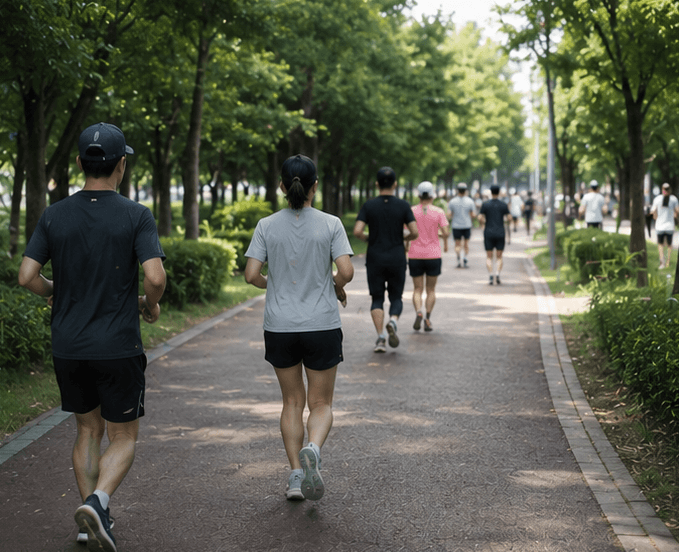
Summer can be hot and humid, so many people shift their routines to early morning or evening. Night walks, riverside runs, and late evening park visits become more common.
Autumn is ideal for outdoor exercise. Cooler air, colorful trees, and clear skies make hiking, running, and cycling especially popular.
Winter does not stop everyone. Although fewer people spend long hours outside, many still walk, hike, or use parks with warmer clothing. On clear winter days, mountain trails and walking paths remain active.
This seasonal flexibility is important. Instead of abandoning outdoor habits when weather changes, many Koreans adjust the timing, location, or intensity of their activity.
That is one reason Outdoor Exercise in Korea remains a year-round lifestyle rather than a short-term fitness trend.
Outdoor Exercise and Social Connection
Exercise in Korea often has a social side.
Walking groups, hiking clubs, running crews, badminton gatherings, cycling groups, and neighborhood exercise circles are common. These communities help people stay consistent because exercise becomes connected to relationships.
For many people, the social motivation matters as much as the physical activity.
A person may join a running club to become healthier, but continue because they enjoy the friendships. A senior may visit the park every morning not only for exercise but also to meet neighbors. A family may hike on weekends because it gives them time together away from screens.
This social side makes Outdoor Exercise in Korea more sustainable.
It also reflects a broader Korean lifestyle pattern: many daily habits become stronger when shared with others.
This section connects well with your article on the rise of running clubs in Korea.
Why Outdoor Exercise Appeals to Busy Workers
Modern Korean life can be intense.
Many people spend long hours indoors at offices, schools, academies, or in front of screens. After a full day of mental focus, outdoor movement becomes a practical way to reset.
Outdoor exercise is appealing because it does not always require a complicated schedule.
An office worker can walk along a nearby trail after dinner. A student can jog in a park after studying. A parent can walk through an apartment complex while children play nearby. A retiree can stretch in the morning without needing transportation.
This convenience is important.
Wellness habits are more likely to last when they fit into real life. Outdoor Exercise in Korea works because the spaces are already close to where people live and work.
It offers a simple answer to a common problem: how to stay active when life is busy.
Public Design Encourages Healthy Habits
The popularity of outdoor fitness in Korea is not only about personal discipline.
It is also about urban design.
When cities provide safe walking paths, parks, lighting, benches, public restrooms, bike lanes, exercise equipment, and accessible trails, people are more likely to use them.
Korea’s public spaces often make movement visible. When people see others walking, running, cycling, stretching, or hiking, activity feels normal. This creates a subtle cultural effect.
Exercise becomes part of the environment.
This is especially powerful for beginners. Someone who feels uncomfortable entering a gym may still feel comfortable walking through a park. Someone who does not identify as athletic may still enjoy outdoor fitness equipment or a short riverside walk.
In this way, Outdoor Exercise in Korea lowers the psychological barrier to movement.
Outdoor Exercise Supports Mental Wellness
Outdoor exercise is not only about physical health.
Many people use outdoor movement to manage stress, clear their minds, and create emotional balance.
A quiet walk after dinner can help release tension. A run along the river can create a sense of energy. A mountain hike can provide relief from city noise. A short morning stretch in a park can help begin the day calmly.
These benefits are especially important in a society where work, school, and digital life can feel demanding.
Outdoor Exercise in Korea gives people a practical way to reconnect with their bodies and surroundings.
It also helps people spend less time indoors and less time attached to screens.
This makes outdoor exercise part of a wider wellness culture that includes walking, night walks, running clubs, cycling, hiking, cafes, and short nature escapes.
What Visitors Can Learn From Outdoor Exercise in Korea
Visitors who want to understand Korean lifestyle culture should spend time in ordinary public spaces.
A famous palace or shopping street shows one side of Korea, but a neighborhood park in the morning reveals something different.
You may see seniors exercising together, parents walking with children, runners following a loop path, cyclists passing nearby, and people stretching before work.
These scenes show how wellness is woven into daily life.
For travelers, participating is easy. You can walk along the Han River, rent a public bike, hike a beginner-friendly trail, join a local running event, or simply observe how people use parks.
The lesson is simple.
Healthy living does not always require dramatic changes. Sometimes it begins with better access to public spaces and small habits repeated often.
Conclusion
Outdoor Exercise in Korea is popular because it fits naturally into everyday life.
Parks, riverside paths, outdoor gyms, apartment walking trails, cycling routes, and mountains make movement easy to access. People do not always need expensive memberships or complicated routines to stay active.
What makes this culture powerful is its consistency.
Koreans walk, run, cycle, stretch, hike, and exercise outdoors not only for fitness but also for stress relief, social connection, and balance.
Outdoor Exercise in Korea shows how public spaces can support healthier lifestyles when they are designed for real daily use.
For anyone interested in Korean lifestyle culture, outdoor exercise offers one of the clearest examples of how wellness becomes part of ordinary life.
FAQ
Why is Outdoor Exercise in Korea so popular?
Outdoor Exercise in Korea is popular because parks, riverside paths, mountains, outdoor gyms, and apartment walking trails make fitness accessible, affordable, and easy to include in daily life.
Where do Koreans usually exercise outdoors?
Common places include neighborhood parks, the Han River, mountain trails, apartment complex paths, public sports courts, and riverside cycling routes.
Are outdoor gyms common in Korea?
Yes. Outdoor fitness equipment is commonly found in parks, apartment complexes, riverside paths, and near hiking trail entrances.
Do Koreans exercise outdoors in winter?
Yes. Outdoor activity decreases in very cold weather, but many people still walk, hike, jog, or use parks while wearing warmer clothing.
What makes Outdoor Exercise in Korea different from gym culture?
Outdoor Exercise in Korea is more integrated into public life. It is often free, accessible, social, and connected to everyday spaces rather than limited to private fitness centers.
Continue Exploring
If you enjoyed this article, you may also like:
Korean Lifestyle Guide: Daily Habits Behind Korea’s Global Fascination
The Rise of Running Clubs in Korea
The growth of running clubs shows how outdoor exercise in Korea is becoming more social and community-driven.
Night walks are one of the most relaxed forms of outdoor exercise in Korea, especially after work or dinner.
Why Koreans Love Spending Time Along the Han River
The Han River is one of the best places to see outdoor exercise in Korea, from walking and cycling to running clubs and riverside fitness.
Korean Cycling Culture: Exploring Cities on Two Wheels
Cycling is another major part of outdoor exercise in Korea, especially along riverside paths and city parks.
Korean Park Culture: Why Parks Matter in Everyday Korean Life