South Korea is often described as one of the world’s most dynamic and fast-moving countries.
From cutting-edge technology and bustling cities to globally influential entertainment and business industries, Korea has built a reputation for productivity and ambition. To outsiders, this can create the impression that life in Korea revolves entirely around work.
The reality is far more nuanced.
While work remains important, many Koreans actively seek ways to balance professional responsibilities with personal wellness, social connections, and leisure activities. Modern Korean lifestyle culture increasingly emphasizes the importance of maintaining both productivity and quality of life.
Understanding how Koreans approach this balance offers valuable insights for anyone seeking a healthier relationship with work and daily living.
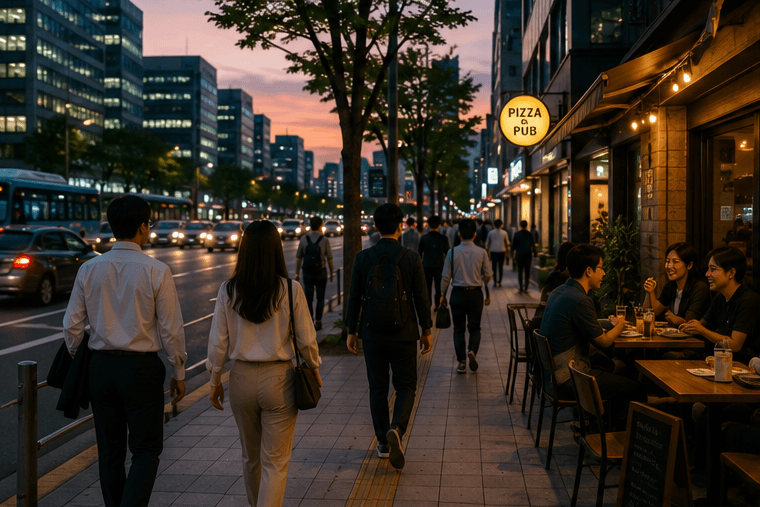
The Importance of Community
One of the most distinctive aspects of Korean culture is the emphasis on relationships.
Family, friends, colleagues, and local communities often play an important role in everyday life. Rather than viewing success purely as an individual achievement, many Koreans place significant value on maintaining strong social connections.
Even busy professionals often make time to:
- Meet friends for coffee
- Enjoy meals with family
- Participate in community activities
- Celebrate important milestones together
These interactions provide emotional support and help create a sense of belonging that contributes to overall well-being.
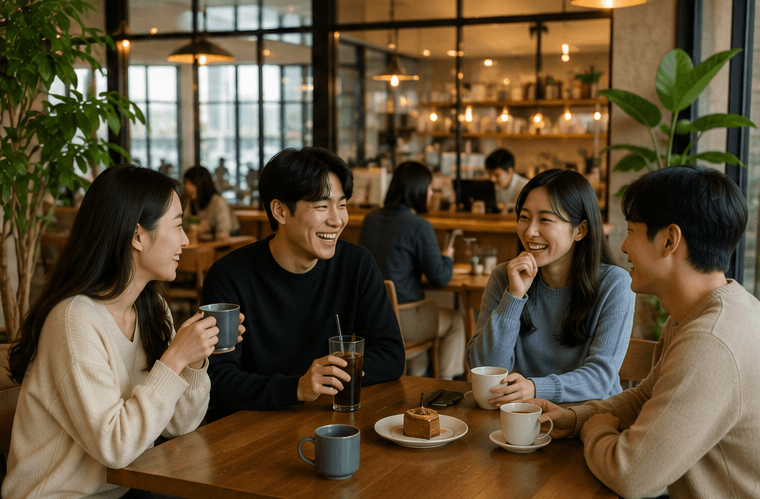
Wellness Is Becoming a Daily Priority
In recent years, wellness has become an increasingly important part of Korean lifestyle culture.
Many younger generations are moving away from the idea that success should come at the expense of health. Instead, there is growing interest in sustainable wellness habits that can be incorporated into everyday routines.
Popular wellness activities include:
- Walking
- Hiking
- Yoga
- Home workouts
- Meditation
- Healthy eating
Rather than focusing solely on appearance, wellness is increasingly viewed as a way to improve both physical and mental health.
This shift reflects broader global trends while maintaining Korea’s traditional emphasis on consistency and self-care.
Small Daily Habits Create Balance
For many Koreans, balance is not achieved through major life changes.
Instead, it is built through small daily habits.
A morning walk, a balanced meal, a coffee break, a short workout, or an evening conversation with friends may seem insignificant on their own. However, these routines help create structure and stability within busy schedules.
This philosophy mirrors many other aspects of Korean lifestyle culture.
Rather than seeking dramatic transformation, many people focus on gradual improvement through consistent habits.
The result is often a more sustainable approach to health, productivity, and personal fulfillment.
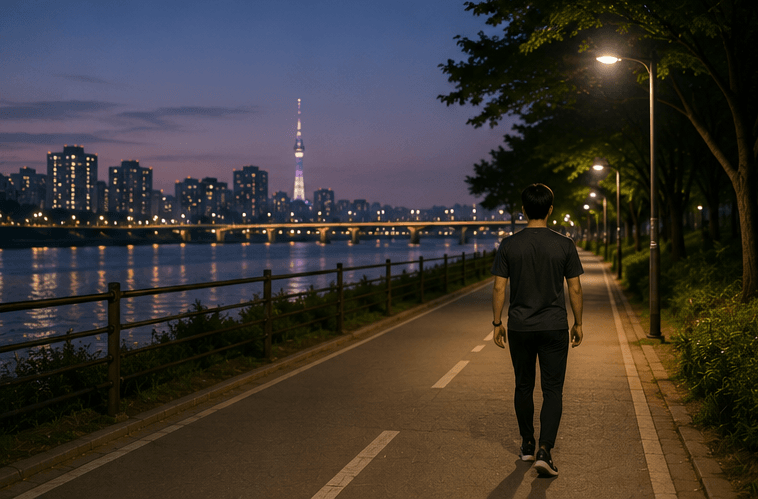
The Role of Cafes and Third Spaces
Korea’s famous cafe culture also plays an important role in balancing work and personal life.
Cafes are more than places to buy coffee.
They function as what sociologists often call “third spaces” — environments that exist between home and work. People use cafes to meet friends, study, read, work remotely, or simply enjoy a moment of relaxation.
The popularity of cafes reflects a broader cultural preference for creating spaces where people can recharge without completely disconnecting from daily life.
This helps explain why Korea has one of the world’s most vibrant cafe cultures.
Why Walking and Nature Matter
Despite Korea’s highly urbanized environment, access to nature remains surprisingly important.
Many apartment complexes include parks and walking paths. Cities feature riverside trails, green spaces, and public exercise facilities. On weekends, hiking remains one of the country’s most popular recreational activities.
These environments provide opportunities to:
- Reduce stress
- Stay physically active
- Spend time with family and friends
- Disconnect from work pressures
For many Koreans, wellness is closely connected to movement and outdoor activity.
A New Generation’s View of Success
Perhaps one of the most significant changes in modern Korean society is how younger generations define success.
While career achievement remains important, many people increasingly value:
- Personal well-being
- Mental health
- Flexible lifestyles
- Meaningful relationships
- Work-life balance
This does not mean work has become less important.
Rather, success is increasingly measured not only by professional accomplishments but also by overall quality of life.
As a result, many Koreans are exploring ways to create lifestyles that support both ambition and well-being.
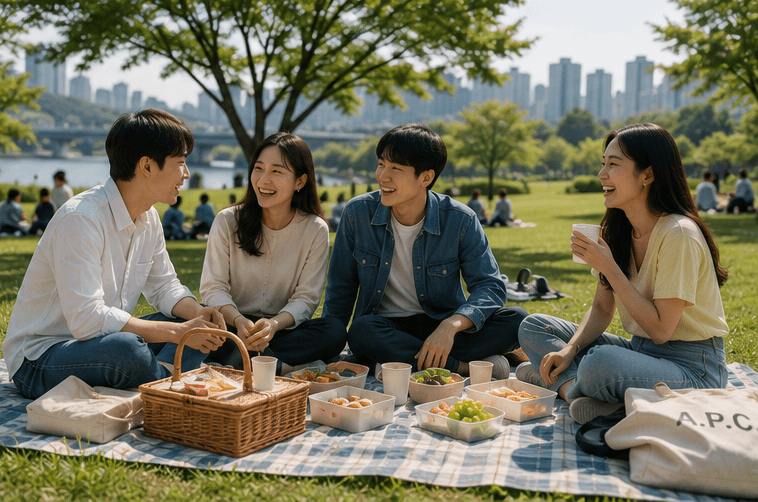
What Other Countries Can Learn From Korea
The Korean approach to balance offers an important lesson.
Productivity and wellness do not have to be opposing goals.
By combining strong social connections, daily wellness habits, accessible outdoor spaces, and intentional moments of rest, many Koreans demonstrate how busy lives can still include meaningful opportunities for health and happiness.
While every culture approaches work differently, the Korean experience highlights the value of consistency, community, and small daily practices that support long-term well-being.
Conclusion
Modern Korean life is often fast-paced, but it is not defined by work alone.
Across the country, people are finding ways to balance professional responsibilities with wellness, relationships, and personal fulfillment. Through strong social connections, active lifestyles, cafe culture, and a growing emphasis on mental health, many Koreans are redefining what success means in the modern world.
The lesson is simple but powerful.
A fulfilling life is not built solely through achievement. It is also shaped by the habits, relationships, and experiences that support long-term well-being.
FAQ
How do Koreans balance work and personal life?
Many Koreans balance work and personal life through strong social connections, wellness activities, outdoor recreation, and intentional daily routines.
Is work-life balance important in Korea?
Work-life balance has become increasingly important, especially among younger generations who place greater value on wellness and personal fulfillment.
Why are cafes so popular in Korea?
Cafes serve as social spaces, workspaces, study areas, and places to relax, making them an important part of daily life.
What wellness activities are popular in Korea?
Walking, hiking, yoga, home workouts, healthy eating, and outdoor recreation are among the most popular wellness activities.
What can we learn from Korean lifestyle culture?
Korean lifestyle culture demonstrates how consistency, community, and small daily habits can contribute to long-term well-being.
Continue Exploring
If you enjoyed this article, you may also like:
Korean Lifestyle Guide: Daily Habits Behind Korea’s Global Fascination
Why Koreans Walk So Much: The Hidden Health Benefit of Korean Cities
The Korean Morning Routine: Small Habits That Make a Big Difference
Korean Food Philosophy Slow Aging: The Secret of Korean “Yak-Sik-Dong-Won”
Korean food philosophy slow aging:The Secret of Korean “Yak-Sik-Dong-Won”(Food as Medicine)