Many people imagine that improving their health or productivity requires major lifestyle changes.
In reality, some of the most effective habits are surprisingly simple.
In Korea, morning routines often focus less on dramatic self-improvement and more on creating a stable foundation for the day ahead. While individual schedules vary, many Koreans share common habits that support wellness, productivity, and long-term consistency.
These routines may appear ordinary, but together they reveal an important aspect of Korean lifestyle culture: small actions repeated every day often create meaningful results over time.

Starting the Day Earlier Than Expected
One thing that surprises many visitors is how early Korean cities begin moving.
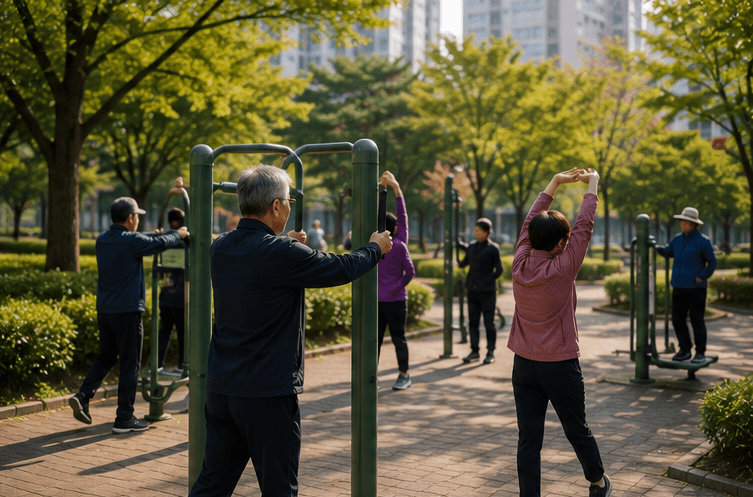
Commuters fill subway stations during the early morning hours, cafes open before many office buildings, and parks are often already occupied by walkers and senior citizens exercising before sunrise.
For many Koreans, mornings are viewed as valuable time that can be used before the demands of work, school, and daily responsibilities begin.
This does not necessarily mean waking up extremely early. Instead, it reflects a cultural preference for starting the day with structure rather than rushing from one task to another.
Movement Before the Workday
Physical activity is often incorporated into Korean mornings in simple ways.
Many people begin the day with:
- A short walk
- Light stretching
- Park exercise
- Neighborhood jogging
- Walking to public transportation
Unlike intense fitness programs, these activities are easy to maintain consistently.
This reflects a broader Korean wellness philosophy that values sustainability over extremes.
For older generations, outdoor fitness equipment found in parks and apartment complexes remains particularly popular. It is common to see residents stretching, exercising, and socializing before breakfast.
A Practical Approach to Breakfast
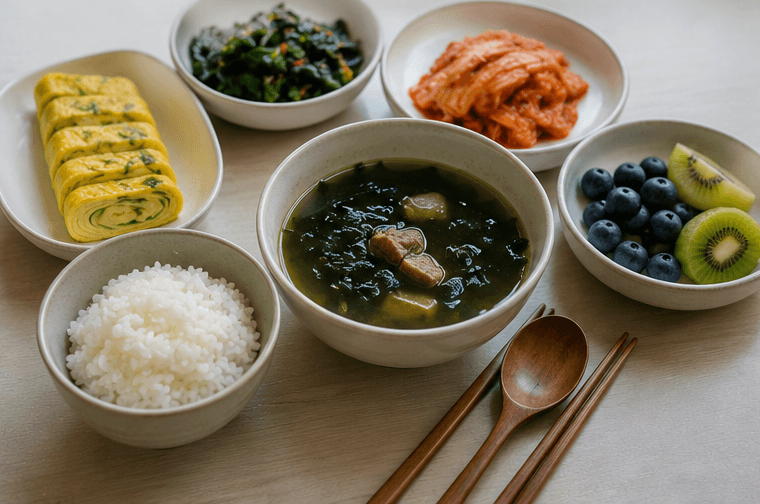
Traditional Korean breakfasts were often balanced meals that included rice, soup, vegetables, and protein.
Today, modern lifestyles have changed eating habits, but many Koreans still prefer breakfasts that provide lasting energy rather than excessive sugar.
Common choices may include:
- Rice and soup
- Eggs
- Fruit
- Yogurt
- Simple sandwiches
- Protein-rich meals
The goal is often practicality and consistency rather than following the latest diet trend.
This approach connects closely with Korea’s long-standing belief that nutrition plays an important role in daily wellness.
Coffee, Planning, and Mental Preparation
Coffee has become an essential part of many Korean mornings.
For some, it is an iced Americano purchased during the commute. For others, it is a quiet moment before beginning work.
Morning coffee is often accompanied by planning the day ahead.
Students review schedules, professionals organize tasks, and many people spend a few minutes mentally preparing for upcoming responsibilities.
This habit helps create a sense of structure and control before the pace of the day accelerates.
Why Consistency Matters More Than Perfection
Perhaps the most important lesson from Korean morning routines is not any specific habit.
It is consistency.
Many wellness trends promise rapid transformation through extreme methods. Korean lifestyle culture often emphasizes something much simpler: maintaining small habits over long periods of time.
Whether it is walking, eating balanced meals, stretching, planning the day, or making time for a morning coffee, the cumulative effect of these actions can be significant.
Small habits are easier to sustain, and sustainable habits often produce the most meaningful long-term results.

What We Can Learn From Korean Mornings
The Korean morning routine is not built around perfection.
It is built around preparation.
By creating simple rituals that support physical and mental well-being, many Koreans establish momentum that carries throughout the day.
The lesson is universal.
You do not need a complicated routine to improve your mornings.
Sometimes a short walk, a balanced breakfast, a few minutes of planning, and consistent daily habits are enough to make a meaningful difference.
Conclusion
The Korean morning routine offers a practical example of how small habits can shape long-term wellness.
Rather than relying on dramatic lifestyle changes, many Koreans focus on consistency, preparation, and sustainable daily routines.
From morning walks and balanced breakfasts to coffee culture and simple planning habits, these practices help create a foundation for productivity and well-being.
In many ways, the success of the Korean morning routine lies in its simplicity.
Small habits, repeated every day, often produce the biggest results.
FAQ
What is a typical Korean morning routine?
Many Koreans begin the day with walking, light exercise, breakfast, coffee, and preparing for work or school.
Do Koreans exercise in the morning?
Many people incorporate walking, stretching, jogging, or outdoor fitness equipment into their morning routine.
What do Koreans usually eat for breakfast?
Breakfast varies, but common options include rice, soup, eggs, fruit, yogurt, and other balanced meals.
Why is coffee important in Korean mornings?
Coffee is often part of daily routines and provides a moment of preparation before work, school, or other responsibilities.
What makes Korean morning routines unique?
The focus is often on consistency and sustainable habits rather than extreme productivity or complicated wellness trends.
Continue Exploring
If you enjoyed this article, you may also like:
Why Koreans Walk So Much: The Hidden Health Benefit of Korean Cities
Korean Food Philosophy Slow Aging: The Secret of Korean “Yak-Sik-Dong-Won”
Korean Lifestyle Guide: Daily Habits Behind Korea’s Global Fascination
How Koreans Balance Work, Wellness, and Social Life
Korean food philosophy slow aging:The Secret of Korean “Yak-Sik-Dong-Won”(Food as Medicine)