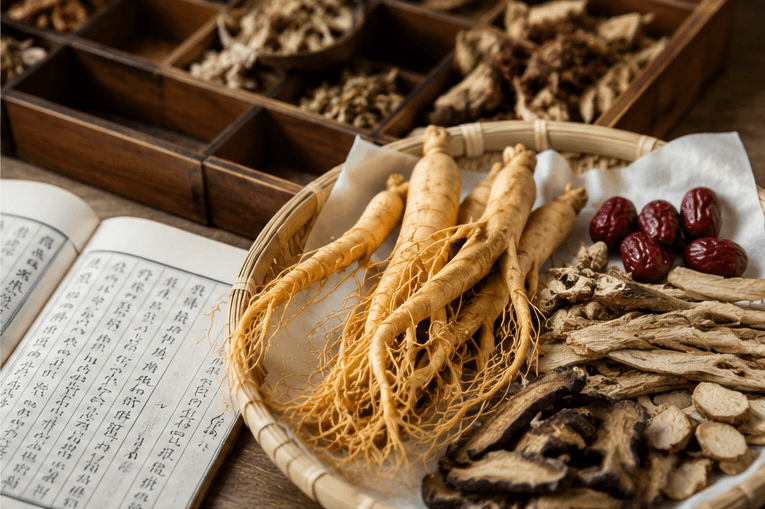
In the world of K-beauty, we often focus on what we apply to our skin—the serums, the creams, and the sunscreens. However, the most profound secret to Korean “glass skin” and true longevity lies in an ancient philosophy known as Yak-Sik-Dong-Won (약식동원), which translates to “Food and medicine share the same origin.”
For those following our Slow-Aging journey, understanding this cultural pillar is a game-changer. It is the missing link between your skincare routine and your skin’s health. In the context of Korean food philosophy slow aging, it isn’t just about dieting; it’s about viewing every meal as an opportunity to repair your skin barrier and calm internal systemic inflammation from the inside out.
What is the Korean food philosophy slow aging?
This concept, known as Yak-Sik-Dong-Won, has been the bedrock of Korean life for centuries. It teaches that what you put into your body is just as important as the medicine you take to cure an illness. Modern K-lifestyle suggests that radiant, resilient skin is simply the external manifestation of internal health.
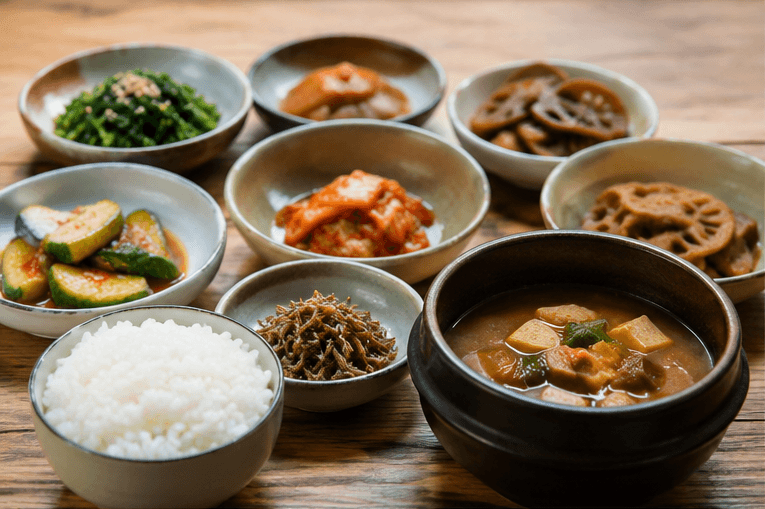
- Balance Over Deprivation: Unlike restrictive Western diet trends, the traditional Korean table (Hansik) focuses on balance—a harmonious arrangement of fermented vegetables (Kimchi), lean proteins, whole grains, and nutrient-dense broths.
- Fermentation as Beauty Power: The reliance on fermented foods like Kimchi and Doenjang introduces natural probiotics into your system. A healthy gut microbiome is scientifically linked to lower levels of systemic skin inflammation and a significantly slower aging process.
3 Key Pillars of Korean Food for Slow-Aging
If you want to adopt the Yak-Sik-Dong-Won approach to support your skincare
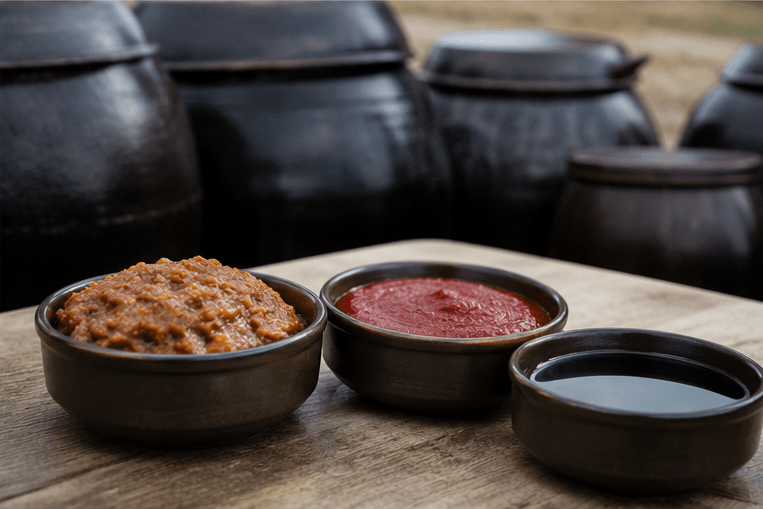
1. Fermented Harmony
Probiotics found in fermented foods are frontline defenders of your skin barrier. When your gut is calm, your body is less prone to sudden systemic reactions like redness, breakouts, and excessive sebum production.
2. The Power of Seasonality
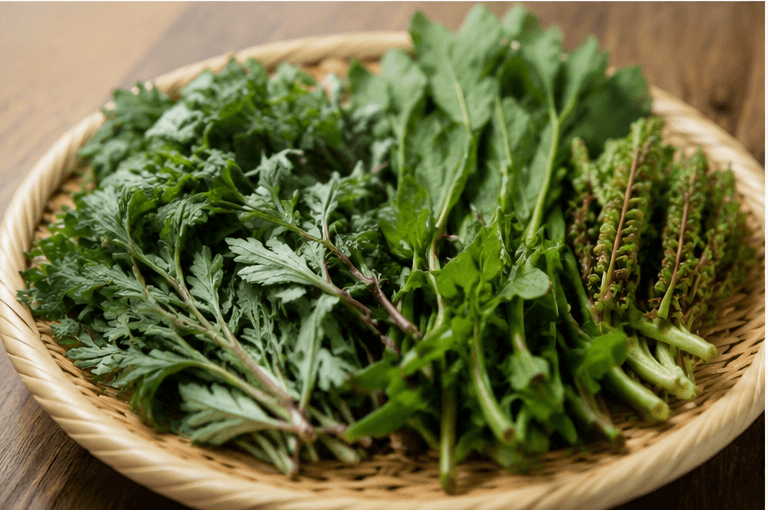
Koreans have a deep cultural respect for seasonal ingredients. Eating fresh, locally available produce ensures you are consuming the peak nutrient density that your skin cells need to thrive, providing a diverse spectrum of antioxidants that fight oxidative stress.
3. The “Namul” (Vegetable) Ritual
Typical Korean meals are famous for Namul—seasoned or blanched vegetables. These provide a consistent, high-volume stream of phytonutrients that actively neutralize free radicals that cause premature skin aging.
💡 Integrating Yak-Sik-Dong-Won into Your Life
You don’t need to be a professional chef to practice this wisdom. Here is how you can bring the Yak-Sik-Dong-Won philosophy into your daily life:
- Adopt the “Bansang” Style: Aim for a “Bansang” (table setting) style meal—a bowl of rice, a soup, and several side dishes. This variety prevents the blood sugar spikes that occur with single-dish, high-carb meals.
- Prioritize Warmth: Even in summer, Koreans prioritize warm soups and teas. This maintains internal warmth, which supports efficient blood circulation—the primary mechanism that delivers oxygen and nutrients to your skin cells.
- Minimize Refined Sugars: By relying on garlic, ginger, scallions, and fermented pastes for flavor rather than refined sugars, you naturally lower your glycemic intake, which protects your collagen levels from glycation.
Conclusion: Radiant Skin Starts from Within
Yak-Sik-Dong-Won is more than just a food philosophy; it is a holistic approach to life. By respecting the source of your food, you are honoring your body’s innate ability to heal and regenerate.
As you maintain your consistent K-beauty layering routine for beginners and protect your skin with the best Korean sunscreens for slow aging, remember that the ultimate “Slow-Aging” product is the healthy, balanced meal on your table today.
Want to learn more about the deep connections between Korean culture and beauty? 👉 Explore our K-Lifestyle & Culture category
Continue Exploring
If you enjoyed this article, you may also like: