Read the ingredients on a few Korean sunscreens, and you’ll quickly notice a familiar name.
Rice extract.
It appears again and again.
Some products highlight rice water.
Others use rice bran extract or rice-derived ingredients.
At first, it may seem like another skincare trend.
But rice has played an important role in Korean beauty long before modern skincare laboratories existed.
Its popularity today isn’t simply about tradition.
It’s about combining cultural heritage with modern cosmetic science.
Understanding that connection helps explain why rice continues to appear in so many Korean sunscreen formulas.
Rice Has Always Been More Than Food in Korea
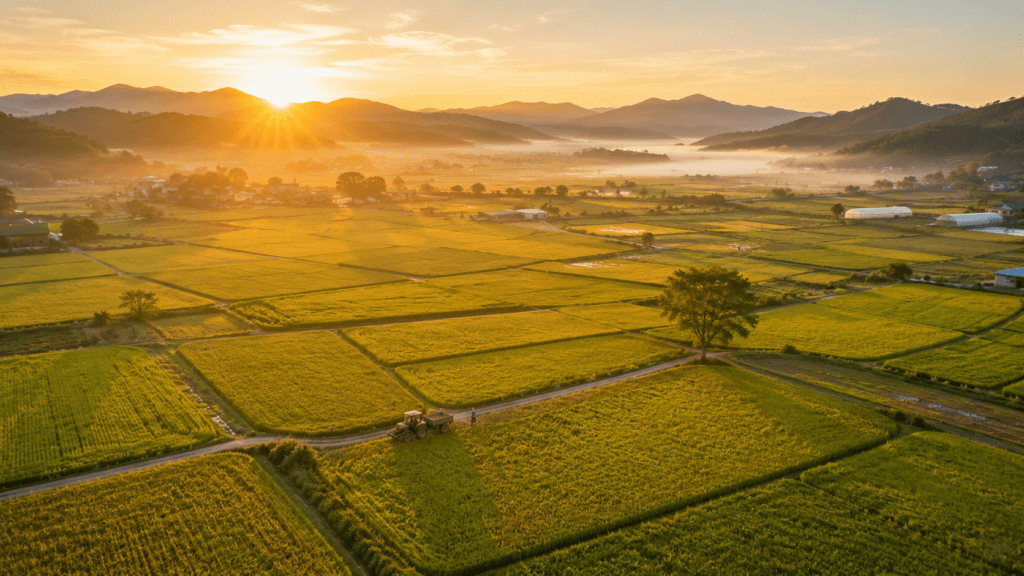
For centuries, rice has been woven into everyday Korean life.
It has been central to family meals, seasonal traditions, and cultural celebrations.
Historically, rice water was also associated with simple beauty rituals practiced at home.
While today’s skincare formulations are developed using modern cosmetic research, the cultural familiarity of rice still carries meaning.
This is one of the characteristics that makes Korean skincare different.
Rather than searching only for completely new ingredients, it often explores familiar natural ingredients through modern formulation techniques.
That approach creates products that feel both innovative and deeply connected to Korean culture.
Rice isn’t included simply because it’s recognizable.
It represents a philosophy of building modern skincare upon ingredients people have trusted for generations.
Modern Formulas Build on Traditional Inspiration
It’s easy to imagine that today’s rice extract is exactly the same as traditional rice water.
In reality, modern Korean sunscreen development is much more sophisticated.
Cosmetic scientists carefully select and process ingredients to create formulations designed for stability, comfort, and compatibility with other skincare ingredients.
The inspiration may come from history.
The formulation belongs to modern skincare science.
That’s why rice extract appears alongside advanced UV filters, moisturizing ingredients, and carefully balanced textures.
It’s not included simply to tell a traditional story.
It becomes one part of a formula designed for everyday wear.
This balance between tradition and innovation is one reason Korean sunscreen continues to attract global attention.
It respects the past while creating products for the way people live today.
The Ingredient Reflects a Bigger Philosophy
Rice isn’t popular because it’s fashionable.
It’s popular because it represents something larger.
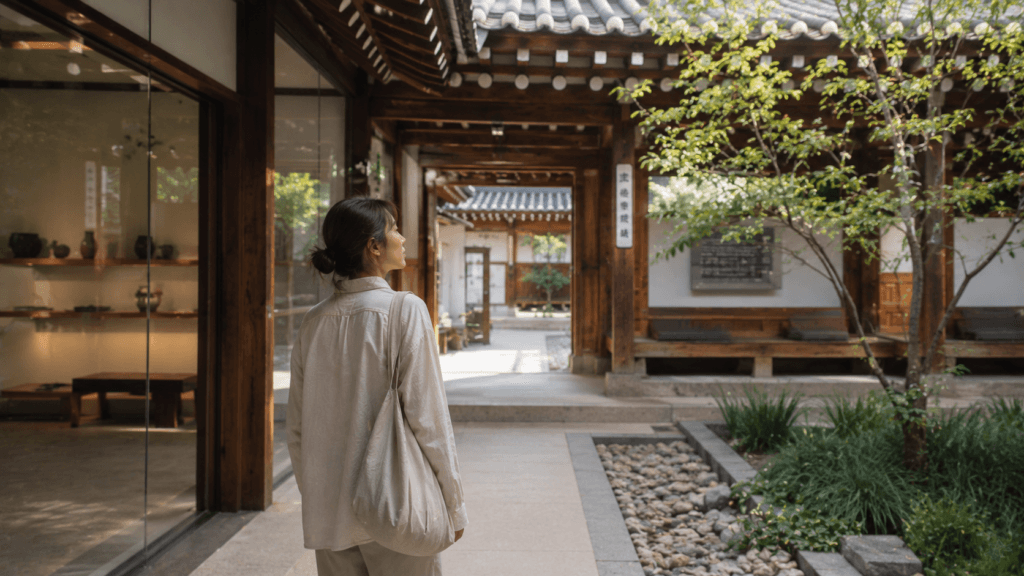
Korean skincare rarely separates beauty from everyday life.
Many of its most recognizable ingredients have long histories connected to food, nature, and daily living.
That doesn’t mean every traditional ingredient automatically belongs in modern skincare.
It means Korean beauty often asks an interesting question:
“How can familiar ingredients be reimagined for modern life?”
Rice extract is one answer to that question.
If you’ve already explored What Makes Korean Sunscreens Different?, Why Korean Sunscreens Feel So Lightweight, and K-beauty slow aging: Why Prevention is Better Than Correction, you’ll recognize the same philosophy throughout the series.
Korean sunscreen isn’t simply about adding another ingredient.
It’s about combining thoughtful formulation, cultural heritage, and everyday usability into products people genuinely enjoy wearing.
The next question naturally follows:
What does rice extract actually do in modern Korean sunscreen formulations?
Rice Extract Is Part of the Experience, Not the Entire Formula
One of the biggest misconceptions is that rice extract is the reason a sunscreen performs well.
In reality, no single ingredient determines the quality of a sunscreen.
Modern Korean sunscreens are carefully balanced formulations where every ingredient has a different role.
UV filters provide protection.
Humectants help attract moisture.
Emollients contribute to a comfortable finish.
Rice extract becomes one piece of a much larger picture.
This is one reason Korean skincare rarely focuses on “miracle ingredients.”
Instead, it emphasizes how different ingredients work together to create a product people genuinely enjoy using every day.
That’s also why two rice-based sunscreens can feel completely different on the skin.
The ingredient may be similar.
The formulation is not.

Familiar Ingredients Build Trust
One reason rice continues to appear in Korean skincare is because it feels familiar.
People naturally develop confidence in ingredients that have long been part of everyday life.
That doesn’t mean tradition replaces science.
It means science can build upon ingredients people already understand.
This combination of familiarity and innovation has become one of the defining characteristics of K-Beauty.
Instead of constantly searching for something completely new, many Korean brands refine existing ideas through better formulation, improved textures, and more enjoyable user experiences.
The result isn’t just a sunscreen that protects your skin.
It’s a product that feels approachable from the very first use.
That sense of familiarity is one reason Korean skincare often feels welcoming rather than intimidating.
The Story Behind an Ingredient Matters Too
One reason people become interested in Korean skincare isn’t just because of how products perform.
They’re also curious about the stories behind the ingredients.
Rice.
Green tea.
Ginseng.
Centella asiatica.
These ingredients don’t appear randomly.
Many have deep cultural roots that connect modern skincare with everyday Korean life.
That cultural connection gives K-Beauty a sense of identity that goes beyond product performance alone.
When people choose a rice-based sunscreen, they’re not simply choosing an ingredient.
They’re also experiencing a small piece of the philosophy that has shaped Korean skincare for decades.
If you’ve already explored What Makes Korean Sunscreens Different?, Can Sunscreen Help Fade Dark Spots?, and Korean skincare diagnostic: Global Hunter’s Ultimate Roadmap to Glass Skin, you’ve already seen that Korean beauty is rarely about one product or one ingredient.
It’s about understanding how thoughtful formulation, everyday habits, and cultural traditions come together to create skincare people genuinely enjoy using.

Frequently Asked Questions
Does rice extract provide UV protection on its own?
No. Rice extract is not a UV filter. The sun protection in Korean sunscreens comes from carefully selected UV-filtering ingredients. Rice extract is included as part of the overall skincare experience rather than as the ingredient responsible for SPF or PA protection.
Why do so many Korean sunscreens include rice extract?
Rice has long been part of Korean culture and skincare traditions. Today, many brands continue to use rice-derived ingredients because they fit naturally with the K-Beauty philosophy of combining familiar botanical ingredients with modern cosmetic science.
Are all rice-based Korean sunscreens the same?
Not at all. Two sunscreens may both contain rice extract but feel completely different on the skin. Texture, finish, hydration, and overall performance depend on the entire formulation—not on one ingredient alone.
Should I choose a sunscreen just because it contains rice extract?
Rice extract can be a meaningful part of a formula, but it shouldn’t be the only reason to choose a sunscreen. Your skin type, lifestyle, preferred texture, and how comfortably the sunscreen fits into your daily routine are usually much more important.
Conclusion
Rice extract has become one of the signature ingredients in Korean sunscreens—not because it’s trendy, but because it represents the way K-Beauty approaches skincare.
Instead of treating ingredients as marketing highlights, Korean skincare focuses on how they work together.
Tradition inspires the idea.
Modern formulation shapes the experience.
Daily use determines whether a product truly succeeds.
That’s why rice extract continues to appear in so many Korean sunscreens.
Not because it’s expected to do everything.
But because it naturally fits into a philosophy that values comfort, consistency, and thoughtful formulation.
In many ways, rice extract tells the same story as Korean sunscreen itself.
Simple on the surface.
Carefully designed underneath.
And ultimately created to become part of everyday life rather than something reserved for special occasions.
In the next guide, we’ll explore another ingredient that has become closely associated with modern K-Beauty:
Why Centella Asiatica Is Common in Korean Sunscreens.
You’ll discover why this botanical ingredient appears in so many daily sunscreen formulas and how it reflects the broader Korean philosophy of supporting skin comfort alongside sun protection.
Continue Exploring
If you enjoyed this article, you may also like:
- Niacinamide and Sunscreen: A Perfect Match?
- Centella Sunscreens Explained: Why This Korean Ingredient Is Everywhere
- Ceramide Sunscreens for Dry Skin: Why They’re a Popular Korean Skincare Choice
- Can Sunscreen Replace Moisturizer? Here’s What Your Skin Actually Needs
- What Makes Korean Sunscreens Different? Why They’re Loved Around the World