To many international fans, supporting a favorite artist seems simple.
You buy an album.
Attend a concert.
Maybe wear a T-shirt or share a song with friends.
Korean fandom culture certainly includes those traditions—but it also goes much further.
For many fans in Korea, being part of a fandom isn’t just about consuming entertainment.
It’s about joining a community with shared goals, traditions, and a strong sense of responsibility toward the artist and fellow fans.
That difference surprises many newcomers.
People often assume Korean fandom is simply “more passionate.”
The reality is much more interesting.
Over several decades, Korean fan communities developed unique ways of organizing, communicating, and supporting artists. Those practices have influenced not only K-pop but also dramas, webtoons, variety shows, and even how entertainment companies interact with audiences.
Understanding those cultural differences helps explain why Korean fandom has attracted worldwide attention—and why many global communities have gradually adopted similar traditions.
Supporting an Artist Means Joining a Community
One of the biggest differences between Korean and Western fandom is how people define support.
In many Western fan communities, support often focuses on individual enjoyment.
Fans attend concerts, buy merchandise, or discuss new releases with friends.
Participation is largely personal.
Korean fandom certainly values those activities as well, but community participation plays a much larger role.
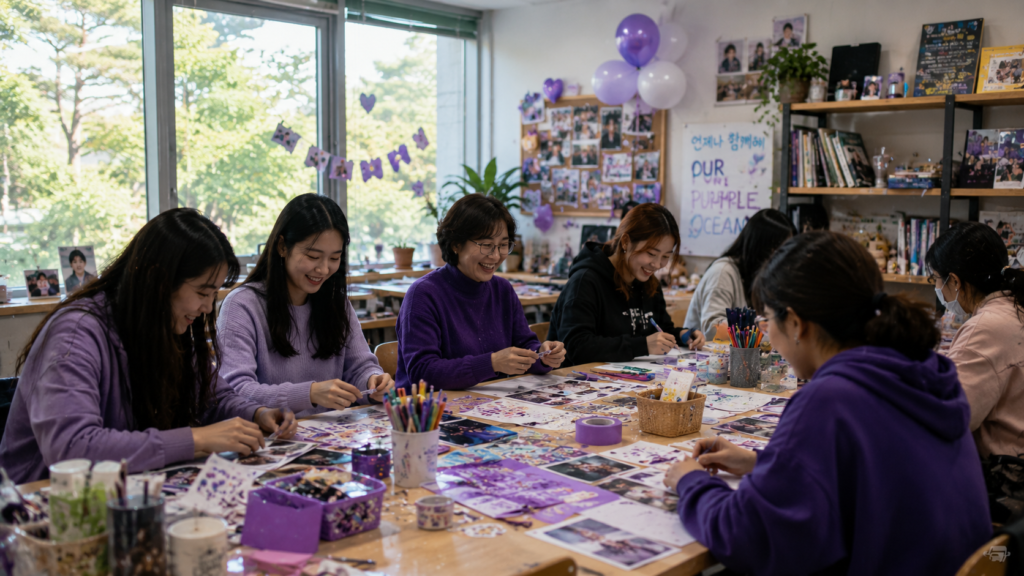
Fans organize projects together.
They coordinate celebrations for birthdays and anniversaries.
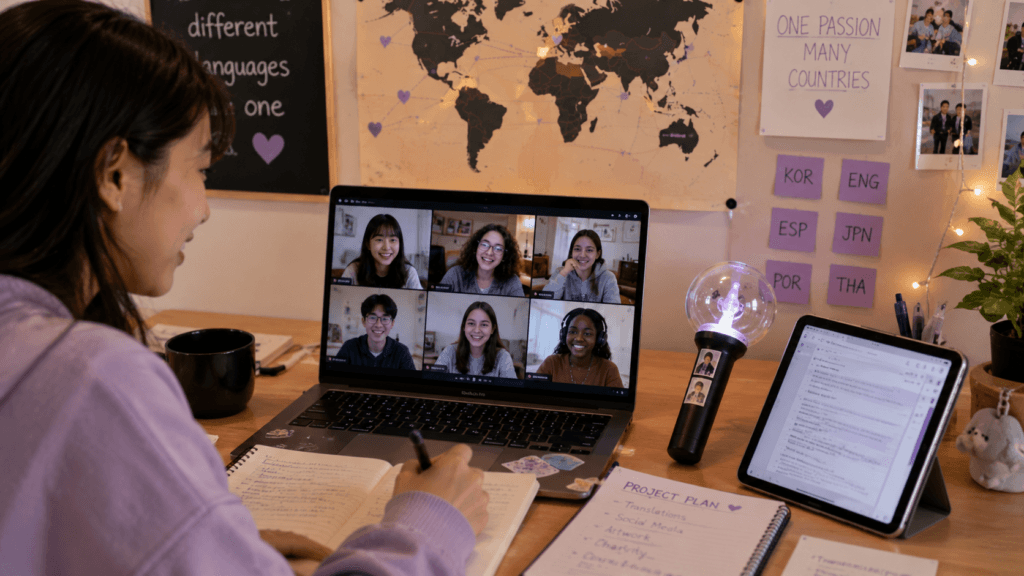
They share translation work for international audiences.
Experienced members often help newcomers understand fan etiquette, voting systems, and community guidelines.
Supporting an artist becomes something people build together rather than something they do alone.
This collaborative mindset helps explain why Korean fandom communities often remain active even during long breaks between album releases or television appearances.
Long-Term Loyalty Matters More Than One Viral Moment
Many entertainment trends rise quickly before disappearing just as fast.
Korean fandom culture developed under different expectations.
Fans often support artists over many years, celebrating gradual growth rather than only short-term success.
That long-term perspective influences how communities organize themselves.
Instead of reacting only when something becomes popular, many fandoms maintain regular activities regardless of current headlines.
This consistency creates unusually stable relationships between artists and audiences.
Entertainment companies also recognize this pattern.
Rather than treating every comeback as an isolated marketing campaign, agencies frequently communicate with fans throughout the year, strengthening relationships beyond music releases alone.
This ongoing interaction has become one of the defining characteristics of modern Korean entertainment.
Fans Create Value, Not Just Attention
Another unique aspect of Korean fandom is the amount of value created by fans themselves.
Communities frequently organize charity projects, educational guides for new members, translation teams, photography exhibitions, and creative fan events.
These activities often exist independently of official promotions.
Rather than waiting for entertainment companies to lead every initiative, fans contribute their own time and skills to strengthen the community.
International audiences sometimes discover Korean artists through these volunteer efforts long before encountering official marketing campaigns.
That collaborative culture has become one of the reasons Korean entertainment spreads so effectively across different countries.
As explored in The Future of Korean Entertainment Beyond Netflix, global growth increasingly depends on communities that actively introduce Korean culture to new audiences rather than simply consuming it.
Respect for Fellow Fans Is Part of the Culture
One aspect of Korean fandom that often surprises newcomers has nothing to do with music or television.
It is the emphasis on community etiquette.
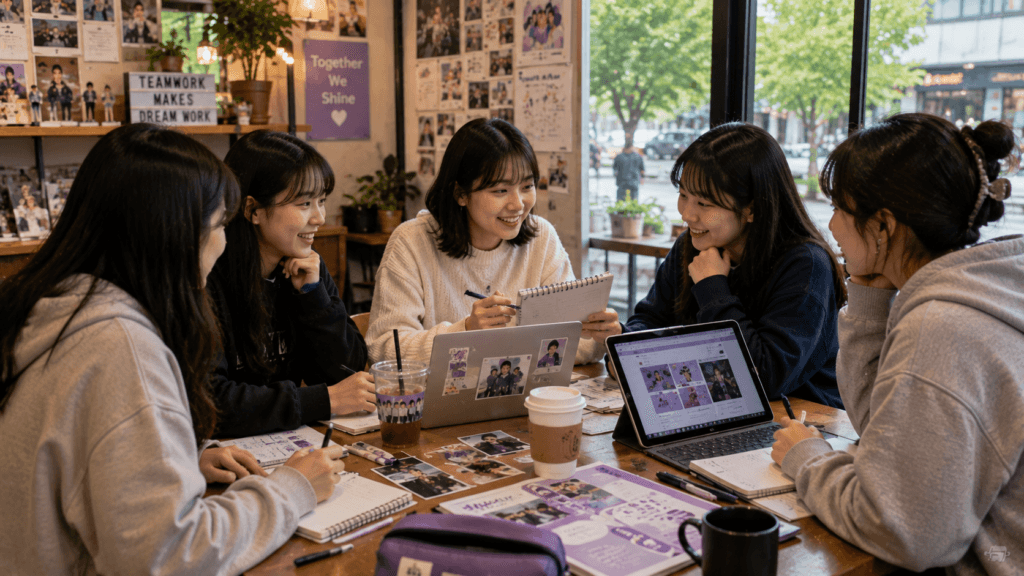
Every fan community develops its own expectations, but many Korean fandoms place particular importance on respecting both the artist and fellow fans.
Experienced members often help newcomers understand how to participate respectfully during concerts, online discussions, fan events, and voting campaigns.
The goal isn’t strict control.
It’s maintaining an environment where thousands—or even millions—of people can work together without unnecessary conflict.
That sense of shared responsibility helps large fandoms remain organized even as they continue growing internationally.
While disagreements certainly exist, the underlying culture generally encourages cooperation over competition within the same fan community.
Digital Communities Never Really Close
Unlike traditional fan clubs that gathered only during special events, Korean fandom culture exists almost continuously.
Conversations continue every day.
Fans share translations.
Discuss new interviews.
Analyze teaser images.
Celebrate anniversaries.
Welcome new members.
Even during periods when an artist isn’t actively promoting new work, the community often remains active.
This continuous engagement creates a very different relationship between audiences and entertainment.
Instead of returning only when a new album or drama is released, fans remain connected throughout the year.
Technology has certainly made this easier, but the real strength comes from the community itself.
The platforms may change over time.
The culture of participation remains remarkably consistent.
That ongoing interaction also explains why Korean fandoms are able to organize large-scale projects so quickly whenever an important moment arrives.
Korean Fandom Has Influenced Fans Around the World
The influence of Korean fandom now extends far beyond Korea.
International fan communities increasingly organize birthday projects, charity campaigns, streaming events, translation teams, and collaborative celebrations inspired by practices that first became widely recognized in Korean entertainment.
Not every tradition transfers perfectly between cultures.
Different countries have different expectations, social norms, and online communities.
Even so, the idea that fans can actively contribute to an artist’s success rather than simply observe it has become one of Korean entertainment’s most recognizable cultural exports.
Many global communities have adapted these ideas in their own ways, creating local traditions while preserving the collaborative spirit that originally inspired them.
This cultural exchange continues to evolve as Korean entertainment reaches new audiences around the world.
As discussed in How Korean Fans Changed the Global Entertainment Industry, the influence of fandom today extends beyond supporting individual artists. It has begun shaping how entertainment companies, media organizations, and even international brands think about audience engagement.
It’s About Belonging, Not Just Entertainment
Perhaps the biggest misunderstanding about Korean fandom is the belief that it exists only because people love celebrities.
Entertainment is certainly where the journey begins.
Community is often why people stay.
Many fans describe friendships formed through shared interests, creative collaborations, volunteer projects, and cultural exchange as equally meaningful parts of the experience.
Supporting an artist becomes one way of participating in something larger than individual entertainment.
That sense of belonging explains why Korean fandom often remains strong even when trends change or promotional activities slow down.
The artist may bring people together.
The community gives them a reason to keep returning.
Conclusion
Korean fandom culture stands apart not because fans are simply more enthusiastic, but because participation is built around collaboration, consistency, and community.
Rather than treating entertainment as something to consume individually, many Korean fan communities encourage people to create, organize, translate, celebrate, and grow together.
This culture has helped shape the global success of K-pop, Korean dramas, webtoons, and many other forms of Korean entertainment.
As international audiences continue discovering Korean culture, they are often adopting not only the music and stories themselves, but also the collaborative spirit that has supported them for decades.
Understanding Korean fandom ultimately means understanding something much larger than celebrity culture.
It reveals how shared passion, mutual respect, and collective participation can transform entertainment into a lasting global community.
Frequently Asked Questions
What makes Korean fandom culture different from Western fandom?
Korean fandom culture places greater emphasis on organized community participation, long-term artist support, collaborative projects, and shared responsibilities among fans.
Why are Korean fan communities so organized?
Many communities have developed over decades, creating traditions, volunteer roles, and informal guidelines that help large groups work together effectively.
Do Korean fans only support K-pop artists?
No. Similar fan communities also exist around Korean actors, television dramas, webtoons, esports, and other areas of Korean entertainment.
Why do international fans adopt Korean fandom traditions?
Many people enjoy the sense of community and collaboration that Korean fandom encourages, adapting these ideas to fit their own local cultures and fan communities.
Is Korean fandom only about buying albums and merchandise?
No. While purchases are one form of support, many fans also participate by translating content, organizing community events, creating fan projects, welcoming new members, and contributing to charitable activities.
Continue Exploring
If you enjoyed this article, you may also like:
- The Power of Connection: How Korean Fandom Culture is Revolutionizing the Global Entertainment Industry
- Inside Korean Fan Cafés and Digital Communities
- How K-pop Fans Organize Global Streaming Events
- How Korean Fans Influence Global Music Charts
- Why Global Companies Study Korean Fandom
- How Netflix Helped Korean Entertainment Go Global