If you’ve ever watched your first Korean drama after years of following American or British television, you’ve probably noticed that something feels different almost immediately. The pacing, emotional storytelling, character development, and even the way romance unfolds create a viewing experience unlike most Western series.
Over the past decade, Korean dramas have transformed from a regional form of entertainment into a global phenomenon. Millions of viewers who had never watched content outside their own language now eagerly wait for new K-drama releases on streaming platforms. This growing popularity isn’t simply the result of globalization or subtitles becoming more accessible. Korean dramas follow a storytelling philosophy that differs significantly from the traditions of Hollywood television.
Rather than focusing on endless seasons and constantly escalating plots, most Korean dramas aim to tell one complete story with a clear beginning, middle, and satisfying conclusion. This approach allows writers to develop characters carefully while maintaining emotional consistency from the first episode to the last.
Whether you’re completely new to K-dramas or you’ve already finished several popular series, understanding these differences helps explain why so many international viewers quickly become devoted fans.
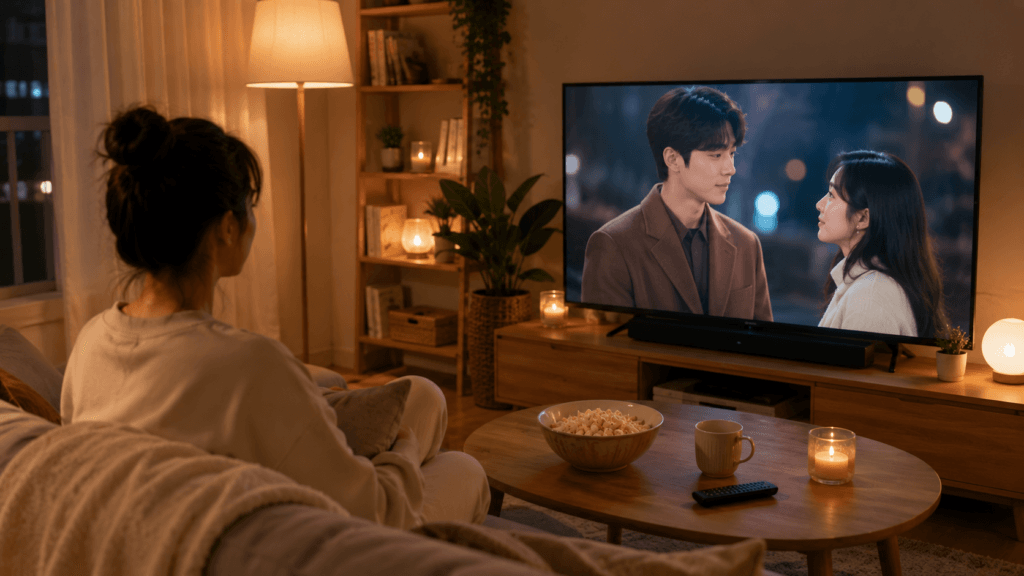
Why Korean Dramas Tell Complete Stories Instead of Endless Seasons
One of the biggest differences between Korean dramas and Western television is the way stories are planned from the beginning.
Many American television series are designed to continue for as many seasons as possible. If ratings remain high, networks often renew the show, encouraging writers to create additional storylines that keep the series alive. While this approach can produce beloved long-running shows, it also creates challenges. Characters sometimes repeat similar conflicts, story arcs become stretched, and writers must constantly introduce new problems to justify another season.
Korean dramas usually take a completely different approach.
Before filming begins, the entire storyline is often planned from start to finish. Instead of asking, “How can we keep this series going?” Korean writers usually ask, “How can we tell the best possible story within one season?”
Because of this philosophy, viewers know they are investing their time in a complete journey rather than an open-ended commitment.
This storytelling structure also encourages stronger pacing. Every episode has a purpose, and major plot points are carefully positioned to build emotional momentum toward the finale. Even supporting characters often receive meaningful development because the writers already know exactly how much screen time they will have.
For many international viewers, this complete narrative structure feels refreshing. Rather than worrying that a favorite show might suddenly be canceled without an ending, audiences can enjoy a satisfying conclusion after finishing the series.
Popular examples include romance dramas, crime thrillers, medical series, historical epics, and fantasy adventures. Although their genres differ dramatically, they all share one important characteristic: the story is designed to end.
This doesn’t mean sequels never exist. Occasionally, successful dramas receive additional seasons, but these remain the exception rather than the rule.
Character Development Comes Before Spectacle
Hollywood productions often emphasize explosive action, dramatic visual effects, or large-scale plot twists designed to surprise audiences.
Korean dramas certainly include exciting action scenes and unexpected moments, but they typically place greater importance on emotional growth.
Instead of relying on constant excitement, many K-dramas spend considerable time showing how characters change through everyday experiences.
Simple conversations over dinner.
Quiet walks after work.
Small misunderstandings.
Family conflicts.
Moments of personal reflection.
These scenes may appear ordinary, yet they gradually build emotional connections between the audience and the characters.
By the time a major conflict finally arrives, viewers already understand each character’s motivations, fears, and relationships. Emotional scenes become far more impactful because they feel earned rather than forced.
This approach explains why many international fans describe Korean dramas as emotionally addictive.
Rather than watching events happen to strangers, viewers feel as though they are experiencing life alongside people they genuinely know.
Many Korean screenwriters intentionally balance dramatic moments with quieter scenes that allow emotions to breathe. Instead of moving immediately from one shocking event to another, they create natural pauses where relationships develop organically.
As a result, even viewers who normally prefer fast-paced action often find themselves unexpectedly invested in romantic storylines or family relationships.
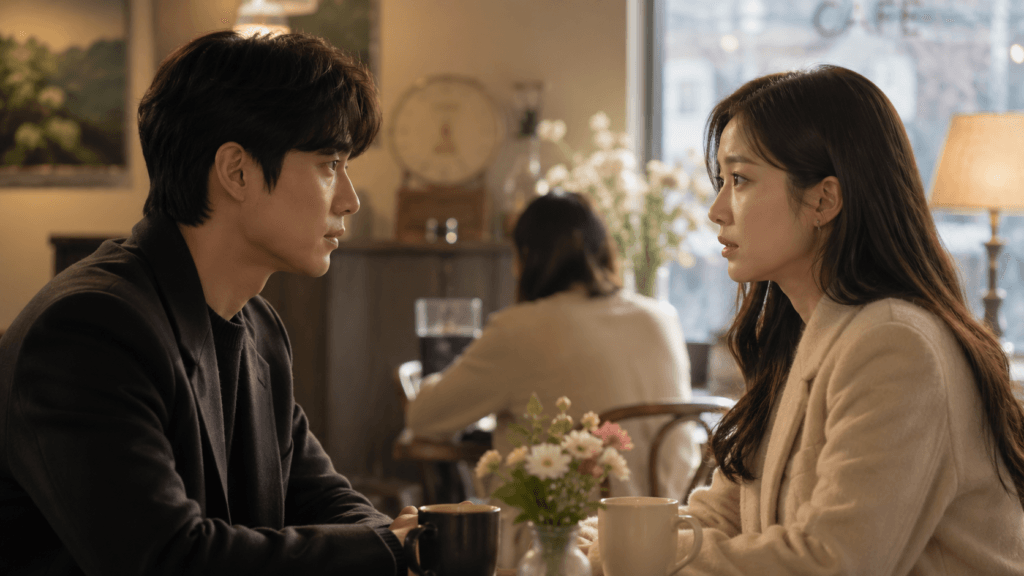
Romance Is Built Through Emotional Tension, Not Speed
Another major difference involves how romantic relationships develop.
Many Western television series introduce romantic relationships very quickly. Characters may begin dating within the first episode, creating drama through breakups, love triangles, or relationship conflicts over multiple seasons.
Korean dramas usually take a slower approach.
Rather than rushing toward physical intimacy, writers often spend many episodes building emotional chemistry.
Eye contact becomes meaningful.
Small acts of kindness become memorable.
Simple gestures such as sharing an umbrella, waiting outside after work, or remembering someone’s favorite meal gradually deepen the relationship.
Because viewers spend so much time watching these emotional moments accumulate, the first confession or first kiss often becomes one of the most anticipated scenes in the entire series.
This slow-burn storytelling has become one of the defining characteristics of Korean romance.
Interestingly, this style appeals not only to romance fans. Even viewers who normally avoid romantic dramas often appreciate the realistic emotional progression because it feels natural rather than rushed.
The romance also rarely exists in isolation.
Relationships usually develop alongside career challenges, family responsibilities, personal trauma, or social expectations, creating stories that feel richer than simple love stories alone.
For international audiences, this emotional balance often feels refreshing compared to romance that depends primarily on physical attraction or dramatic conflict.
Why Korean Dramas Feel More Cinematic Than Traditional Television
Another reason many international viewers become captivated by Korean dramas is their cinematic quality. While many Western television shows maintain a consistent visual style across episodes, Korean dramas often feel closer to feature films than weekly TV productions.
From the opening scene, viewers are treated to carefully composed shots, natural lighting, and thoughtfully selected filming locations. Whether the story takes place in a bustling Seoul neighborhood, a quiet seaside village, or a mountain temple, the environment becomes part of the storytelling rather than just a backdrop.
Directors frequently use visual symbolism to reinforce emotions. A change in the weather, blooming cherry blossoms, the first snowfall, or even the lighting inside a room can reflect a character’s emotional state without relying on dialogue.
Music also plays a crucial role. Korean drama original soundtracks (OSTs) are carefully matched to key emotional moments, allowing viewers to associate certain songs with memorable scenes long after finishing the series. Many OSTs become chart-topping hits independently of the drama itself, further strengthening the connection between music and storytelling.
Unlike productions that depend heavily on expensive visual effects, Korean dramas often achieve emotional impact through strong cinematography, careful editing, and expressive performances. This emphasis on atmosphere creates an immersive viewing experience that feels polished regardless of genre.

Korean Culture Shapes Every Story
Korean dramas are not only entertainment—they also provide a window into everyday Korean life.
International audiences often discover aspects of Korean culture naturally while following the story. Rather than feeling like educational documentaries, K-dramas weave cultural traditions into everyday situations.
Viewers become familiar with customs such as:
•Removing shoes before entering a home.
•Respecting age and hierarchy in conversations.
•Celebrating family holidays together.
•Sharing meals as an important social activity.
•Using honorific language depending on relationships.
These details make the stories feel authentic while introducing viewers to cultural values that differ from those in many Western countries.
Food also plays an unexpectedly important role. Scenes featuring Korean barbecue, ramyeon, fried chicken, tteokbokki, or convenience store meals have inspired millions of international viewers to try Korean cuisine themselves.
Fashion, skincare routines, cafés, and travel destinations receive similar attention. Many tourists now visit filming locations after discovering them through popular dramas, demonstrating how entertainment has become one of Korea’s strongest forms of cultural influence.
This natural blend of storytelling and culture helps explain why Korean dramas often inspire curiosity that extends far beyond television.
For many viewers, watching a K-drama becomes the first step toward exploring Korean language, food, travel, beauty, and history.
Why International Audiences Keep Coming Back
The global popularity of Korean dramas is not the result of a single viral hit.
Instead, it reflects years of consistent storytelling, high production quality, and an ability to create emotionally satisfying experiences across many genres.
Whether someone begins with a romantic comedy, an action thriller, a courtroom drama, or a historical epic, they often discover similar strengths:
•Well-developed characters.
•Complete stories with satisfying endings.
•Strong emotional pacing.
•High production values.
•Universal themes that cross cultural boundaries.
Streaming platforms have certainly made Korean dramas easier to access, but accessibility alone cannot explain their continued success. Audiences stay because the stories consistently deliver experiences that feel different from what many viewers have grown accustomed to watching.
Another important factor is variety.
Korean entertainment companies are willing to experiment with new concepts while maintaining strong storytelling fundamentals. One year may introduce groundbreaking survival dramas, while the next brings heartfelt slice-of-life series or ambitious fantasy productions.
This diversity keeps longtime fans engaged while giving newcomers countless entry points into Korean entertainment.
As more international collaborations emerge and streaming services continue expanding their Korean content libraries, the influence of K-dramas is likely to grow even further.
Rather than replacing Western television, Korean dramas have created a complementary style of storytelling that appeals to audiences looking for something emotionally engaging, visually polished, and culturally distinctive.

Conclusion
Korean dramas stand apart from Western television because they prioritize complete storytelling, emotional depth, carefully developed characters, and cinematic production values. Instead of extending a story indefinitely, most K-dramas are designed to deliver a meaningful journey from beginning to end.
Their slower pacing allows relationships to develop naturally, while cultural details make each story feel authentic and immersive. Combined with outstanding cinematography and memorable soundtracks, these elements create an experience that resonates with viewers around the world.
Whether you’re completely new to Korean entertainment or already a dedicated fan, understanding these storytelling differences makes it easier to appreciate why K-dramas continue attracting millions of new viewers every year.
If this is your first step into Korean entertainment, you’re only beginning to discover one of the world’s most dynamic storytelling industries.
Continue Exploring
If you enjoyed this article, you may also like:
•How to Start Watching Korean Dramas: A Beginner’s Guide
•Korean Drama Genres Explained: Romance, Thriller, Historical & More
•Best Streaming Platforms to Watch Korean Dramas in 2026
•Why Family Approval Matters So Much in Korean Dramas
Interested in Korean culture beyond entertainment?
You may also enjoy:
•How Korean Fandom Culture Became a Global Movement
•Why School Life Looks So Different in Korean Dramas
•Korean Drama Product Placement Explained: Why You See So Many Brands
Frequently Asked Questions
Why do most Korean dramas have only one season?
Most Korean dramas are planned as complete stories before production begins. This allows writers to create satisfying endings without extending the story unnecessarily.
Are Korean dramas based on true stories?
Some historical dramas and legal series draw inspiration from real events, but most Korean dramas are fictional stories created specifically for television.
Why are Korean dramas becoming so popular worldwide?
Strong storytelling, relatable characters, high production quality, and easy access through global streaming platforms have helped Korean dramas attract audiences across many countries.
Do I need to understand Korean culture to enjoy K-dramas?
No. Most stories focus on universal themes such as family, friendship, love, ambition, and personal growth. Cultural details simply add depth and authenticity.
Which Korean drama should beginners watch first?
Romantic comedies and slice-of-life dramas are often recommended because they introduce Korean storytelling in an accessible and enjoyable way.