Choosing your first Korean drama can be surprisingly difficult. With hundreds of series available across streaming platforms, many new viewers don’t know where to begin. Should you watch a heartwarming romance, a suspenseful crime thriller, a historical epic, or perhaps a fantasy filled with supernatural twists?
The good news is that Korean dramas cover almost every genre imaginable. While romance helped introduce K-dramas to many international audiences, today’s Korean entertainment industry produces world-class thrillers, courtroom dramas, medical series, political stories, historical adventures, action-packed crime shows, and emotional slice-of-life dramas.
Understanding the different Korean drama genres makes it much easier to find a series that matches your interests. Instead of choosing a drama simply because it’s popular, you can start with a genre you already enjoy and experience the strengths of Korean storytelling from the very first episode.
If you’re completely new to Korean entertainment, you may want to read What Makes Korean Dramas Different from Western TV? and How to Start Watching Korean Dramas: A Beginner’s Guide before exploring the genres below.

Why Genre Matters More Than Popularity
Many beginners search online for “the best Korean drama” expecting to find one perfect recommendation.
In reality, the best Korean drama depends entirely on your personal preferences.
Someone who loves mystery novels may become obsessed with psychological thrillers, while another viewer prefers heartwarming romances filled with emotional character development. Others enjoy political dramas, historical stories, or fast-paced action series.
Starting with a genre you already enjoy makes it much easier to appreciate Korean storytelling. Once you’re comfortable with the pacing and style, exploring new genres becomes much more enjoyable.
Another advantage of Korean dramas is that many series blend multiple genres together. A romantic comedy may include mystery elements. A historical drama may feature political intrigue and action. Even crime dramas often include touching family relationships or subtle humor.
This flexibility allows Korean storytellers to create rich, emotionally satisfying narratives that appeal to a wide range of audiences.
Romance: The Genre That Introduced Millions to K-Dramas
Romance remains one of the most recognizable Korean drama genres, but it offers far more variety than many newcomers expect.
Rather than relying only on dramatic love triangles or predictable relationships, Korean romance often focuses on emotional growth, mutual respect, and meaningful character development.
Many romantic dramas build chemistry gradually through everyday interactions rather than rushing into relationships. Small gestures, quiet conversations, shared meals, and acts of kindness often become the moments viewers remember most.
Romantic comedies are especially popular because they balance humor with emotional storytelling. They provide an accessible introduction to Korean culture while remaining easy for international audiences to follow.
More mature romance dramas explore topics such as career pressures, marriage, family expectations, long-distance relationships, and personal healing.
Because romance is frequently combined with other genres, viewers can also enjoy romantic thrillers, fantasy romances, historical romances, and workplace love stories.
For first-time viewers looking for an emotional yet approachable introduction to Korean dramas, romance is often an excellent starting point.

Thriller and Crime: Korea’s International Strength
If romance isn’t your favorite genre, Korean thrillers are among the strongest in the world.
International audiences frequently praise Korean crime dramas for their unpredictable plots, intelligent writing, and cinematic production quality.
Unlike many traditional detective series that focus only on solving a case, Korean thrillers usually explore the emotional impact of crime on victims, investigators, families, and even the criminals themselves.
Psychological suspense plays an important role.
Instead of relying only on violence or shocking moments, many Korean thrillers build tension through carefully planned storytelling, hidden motives, and complex character relationships.
Crime dramas often feature prosecutors, detectives, journalists, lawyers, or forensic experts working together to uncover larger conspiracies.
Many viewers who normally watch Hollywood crime series are surprised by the emotional depth found in Korean productions.
This combination of suspense and character-driven storytelling has helped Korean thrillers gain worldwide recognition.
If you enjoy mystery, detective stories, or psychological suspense, this genre is one of the best places to begin exploring Korean entertainment.
Historical Dramas: A Journey Through Korea’s Past
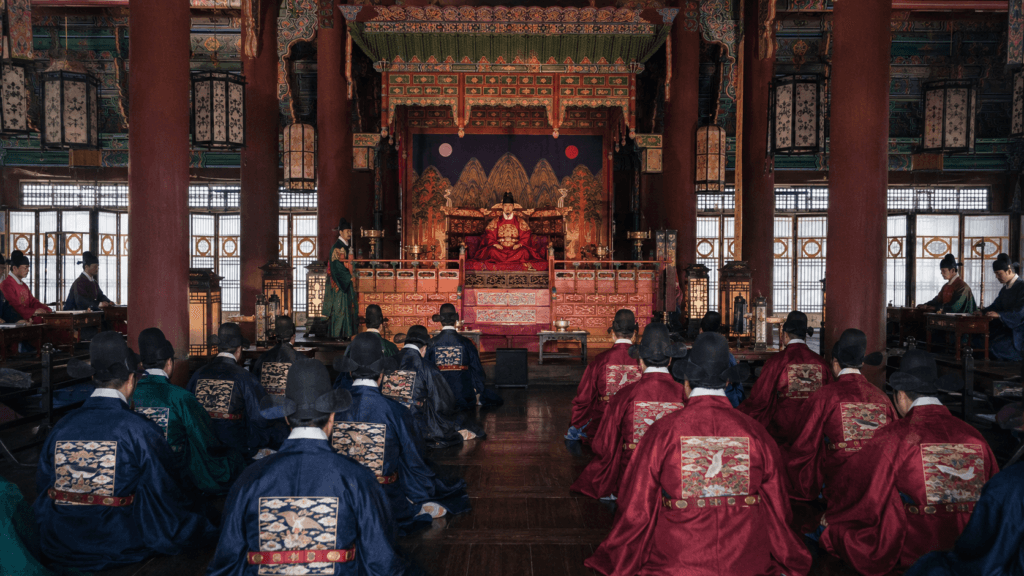
Historical Korean dramas, commonly known as sageuk, transport viewers into different periods of Korean history.
These series often feature royal families, political rivalries, military conflicts, and remarkable historical figures while combining factual events with fictional storytelling.
One of the greatest strengths of historical dramas is their visual beauty.
Traditional palaces, elaborate costumes, ceremonial customs, and breathtaking landscapes create an immersive experience unlike modern television.
Historical dramas also introduce international audiences to Korean traditions, Confucian values, court politics, and cultural practices that continue influencing modern Korean society today.
Some historical dramas focus on romance.
Others emphasize warfare, political strategy, medicine, or palace intrigue.
Because the genre offers such variety, even viewers who normally avoid historical stories often discover something they genuinely enjoy.
Beyond entertainment, historical dramas provide an engaging introduction to Korea’s rich cultural heritage.
Fantasy and Supernatural Dramas: Where Imagination Meets Emotion
Fantasy has become one of the fastest-growing Korean drama genres, combining imaginative concepts with emotionally grounded storytelling. Instead of relying only on spectacular visual effects, Korean fantasy dramas focus on how extraordinary situations affect ordinary people.
Viewers may encounter stories about time travel, reincarnation, parallel worlds, mythical creatures, immortals, ghosts, or people with supernatural abilities. Despite these unusual premises, the heart of each story usually revolves around relationships, sacrifice, identity, and personal growth.
One reason fantasy dramas appeal to such a broad audience is that they rarely become confusing. Even when the setting includes magical rules or alternate realities, the emotional journey remains easy to follow.
Many fantasy dramas also blend seamlessly with romance, comedy, thriller, or historical storytelling, creating unique combinations that feel fresh and unpredictable.
For viewers looking for something imaginative without losing emotional depth, Korean fantasy dramas offer an excellent balance between creativity and heartfelt storytelling.
Slice-of-Life Dramas: Finding Beauty in Everyday Moments
Not every Korean drama depends on dramatic plot twists or life-or-death situations.
Slice-of-life dramas celebrate ordinary experiences that many people can relate to, including family relationships, friendships, careers, neighborhood communities, and personal dreams.
The pacing is often slower than thrillers or action series, but that is part of their appeal. These dramas allow viewers to spend time with realistic characters whose challenges feel familiar regardless of cultural background.
Instead of asking, “What shocking event happens next?” slice-of-life dramas ask, “How do people grow through everyday experiences?”
Many international fans describe this genre as comforting because it reminds them that happiness often comes from small moments rather than extraordinary events.
Whether it’s coworkers supporting one another, lifelong friends reconnecting, or families overcoming misunderstandings, these stories create emotional connections that stay with viewers long after the final episode.
Workplace dramas are another popular way Korean series explore hierarchy, ambition, friendship, and the pressures of everyday working life. If that side of K-dramas interests you, explore our Best Korean Workplace Dramas Worth Watching.
Medical, Legal, and Workplace Dramas
Professional settings have become another defining strength of Korean television.
Medical dramas explore the demanding lives of doctors, nurses, surgeons, and emergency responders while balancing high-pressure situations with meaningful personal relationships.
Legal dramas often feature prosecutors, defense attorneys, judges, and investigators working through complicated cases that challenge both the law and their own moral beliefs.
Workplace dramas take viewers inside offices, technology companies, newspapers, schools, government agencies, and large corporations. Rather than focusing only on careers, these series examine teamwork, leadership, office politics, and work-life balance.
What makes these genres stand out is their ability to combine professional challenges with emotional storytelling. Even viewers who have little interest in medicine or law often become invested because the characters feel authentic and relatable.
This combination of expertise and humanity has helped Korean workplace dramas attract audiences well beyond Korea.
Which Korean Drama Genre Should You Watch First?
If you’re still unsure where to begin, the easiest approach is to match your favorite Western genre with its Korean equivalent.
If you enjoy romantic comedies, start with a Korean romance.
If crime series keep you on the edge of your seat, choose a Korean thriller.
Fans of fantasy films will likely appreciate Korean supernatural dramas, while viewers who enjoy historical epics can explore Korea’s royal history through beautifully produced period dramas.
The goal isn’t to watch what everyone else recommends.
The goal is to discover the genre that fits your personal interests.
Once you’ve finished your first Korean drama, you’ll probably feel much more comfortable exploring other genres. Many longtime fans begin with romance before discovering thrillers, then move on to historical dramas, slice-of-life stories, or fantasy adventures.
Over time, you’ll realize that one of the greatest strengths of Korean entertainment is its remarkable diversity.
There is always another genre waiting to surprise you.

Conclusion
Korean dramas offer far more than romance. From gripping psychological thrillers and breathtaking historical epics to comforting slice-of-life stories and imaginative fantasy adventures, every genre brings its own unique strengths while maintaining the emotional storytelling that defines Korean entertainment.
Rather than searching for the single “best” K-drama, think about the kinds of stories you already enjoy. Starting with a familiar genre makes it easier to appreciate the pacing, characters, and cultural elements that have made Korean dramas a global phenomenon.
As your viewing experience grows, don’t be surprised if you find yourself exploring genres you never expected to enjoy. That’s one of the reasons so many international fans continue returning to Korean dramas year after year.
Frequently Asked Questions
Which Korean drama genre is best for beginners?
Romantic comedies and slice-of-life dramas are often recommended because they are easy to follow and introduce Korean storytelling naturally.
Are Korean thrillers suitable for new viewers?
Yes. Korean thrillers are internationally recognized for their suspenseful storytelling, strong character development, and high production quality.
What is a sageuk drama?
A sageuk is a Korean historical drama that usually takes place during past dynasties and often features royal families, politics, warfare, and traditional culture.
Do Korean dramas mix different genres?
Very often. Many Korean dramas combine romance, comedy, mystery, fantasy, or action into a single story, making them appealing to a wide audience.
Which genre becomes most popular internationally?
Romance remains the most widely watched genre, but thrillers, crime dramas, fantasy series, and historical dramas have all gained large international fan bases.
Continue Exploring
If you enjoyed this article, you may also like:
•What Makes Korean Dramas Different from Western TV?
•How to Start Watching Korean Dramas: A Beginner’s Guide
•Best Streaming Platforms to Watch Korean Dramas in 2026
•Why Korean Dramas Usually Have Only 16 Episodes
•How Korean Dramas Are Made: Behind the Scenes
•Why Family Approval Matters So Much in Korean Dramas