For many visitors, one of the biggest surprises about South Korea isn’t its skyscrapers, technology, or bustling shopping districts.
It’s the mountains.
Look at almost any Korean city from a distance, and you’ll notice green peaks rising behind apartment buildings and office towers. Whether you’re in Seoul, Busan, Daegu, Daejeon, or countless smaller cities, nature is never far away.
Even more surprising is how many people are climbing those mountains.
On weekends, trails become filled with hikers of every age. University students tackle challenging routes with friends. Families hike together with young children. Office workers head to nearby mountains after busy weeks, while retirees often start their mornings with a hike before breakfast.
For millions of Koreans, hiking isn’t simply a hobby.
It’s a lifestyle.
Understanding Korea’s hiking culture reveals why mountains remain deeply connected to health, community, and everyday happiness.
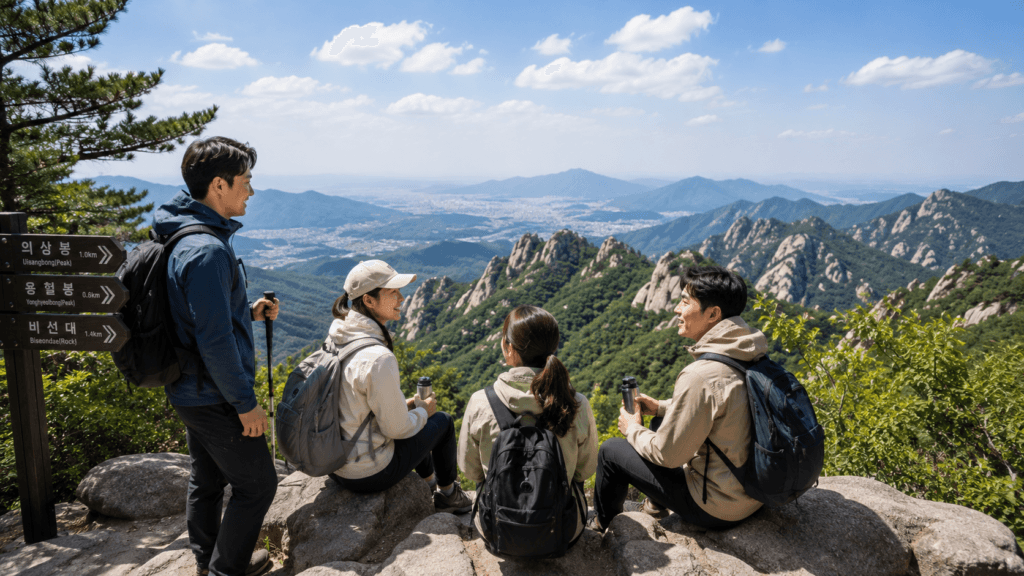
Mountains Are Everywhere in Korea
One reason hiking became so popular is geography.
Nearly 70 percent of South Korea consists of mountains and hills.
Unlike countries where mountain ranges are concentrated in remote regions, Korean mountains often begin right at the edge of cities.
In Seoul, for example, residents can leave a subway station and reach mountain trails within minutes.
This convenience removes many barriers that exist elsewhere.
You don’t need expensive travel plans.
You don’t need camping equipment.
You don’t even need an entire weekend.
Many people complete a two- or three-hour hike and return home before lunch.
Because mountains are so accessible, hiking naturally becomes part of everyday life rather than a special vacation activity.
This close relationship between cities and nature also explains the popularity of Korean Park Culture: Why Parks Matter in Everyday Korean Life, where urban green spaces encourage outdoor living every day.
Hiking Is One of Korea’s Favorite Weekend Activities
Ask many Koreans what they enjoy doing on weekends, and hiking is likely to appear near the top of the list.
For some, it’s a social activity.
Groups of friends organize regular hiking trips.
Coworkers often schedule mountain outings as informal team-building events.
Families pass hiking traditions from one generation to the next.
Others hike for personal reasons.
Some seek exercise.
Others appreciate the quiet atmosphere away from busy city streets.
Many simply enjoy the feeling of standing at a mountain summit after earning the view through steady effort.
Unlike competitive sports, hiking allows everyone to move at their own pace.
Young children, experienced athletes, and older adults can all enjoy the same trail while challenging themselves differently.
Hiking Supports Healthy Aging
One remarkable aspect of Korean hiking culture is the number of older adults who remain incredibly active.
It isn’t unusual to meet hikers in their seventies or even eighties confidently climbing mountain trails.
Regular hiking offers many physical benefits.
It improves cardiovascular health.
Strengthens leg muscles.
Enhances balance.
Supports joint mobility.
And provides low-impact exercise compared with running on hard pavement.
Many retirees view hiking as an enjoyable lifelong habit rather than a difficult workout.
Instead of exercising indoors, they prefer fresh mountain air, changing scenery, and meaningful conversations with hiking partners.
This commitment to consistent movement reflects Korea’s broader philosophy of building wellness through daily habits instead of temporary fitness trends.
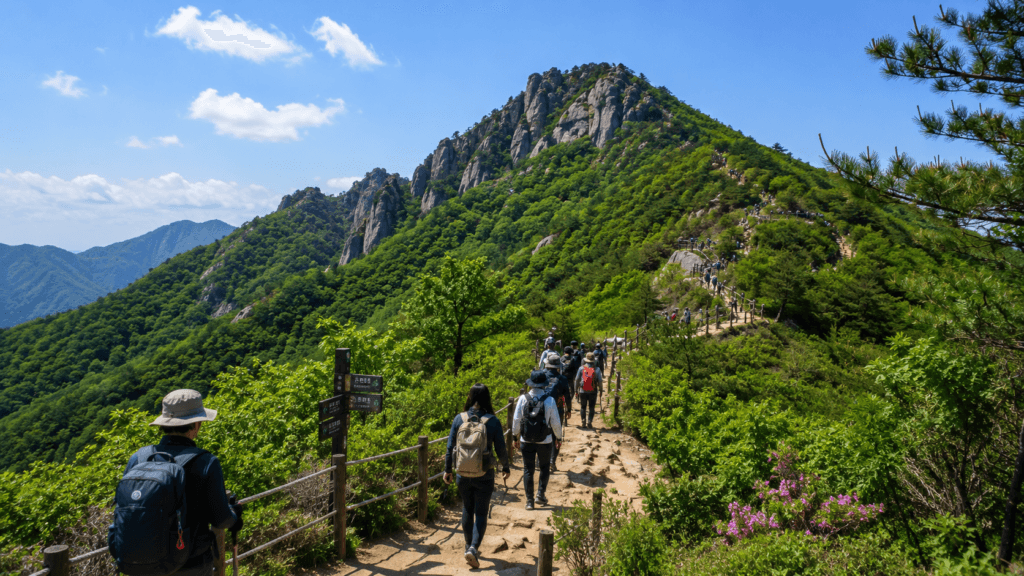
Hiking Is Also About Community
Although many people hike alone, mountain trails are surprisingly social places.
It’s common for strangers to greet one another with a friendly smile or simple hello.
Experienced hikers may offer directions to beginners.
People often share snacks during rest breaks.
Some hiking clubs meet every weekend and develop friendships lasting decades.
Unlike many urban environments where strangers rarely interact, mountains create a shared sense of purpose.
Everyone is working toward the same goal.
Reaching the summit.
That shared experience naturally encourages kindness and conversation.
This spirit of community closely reflects the values explored in How Koreans Balance Work, Wellness, and Social Life, where social connection remains an important part of overall well-being.
Hiking Gear Has Become Part of Korean Culture
Visitors often notice another interesting feature of Korean hiking.
The clothing.
High-quality hiking jackets, trekking poles, backpacks, gloves, hats, and trail shoes are extremely common.
Even beginners frequently wear complete hiking outfits.
For many Koreans, proper equipment represents more than fashion.
It improves safety.
Increases comfort.
Protects against changing weather.
And makes longer hikes more enjoyable.
Outdoor brands have become an important part of Korean lifestyle, especially among middle-aged and older generations who spend considerable time exploring mountain trails.
Mountains Change Beautifully Every Season
Every season offers a completely different hiking experience.
Spring
Mountain trails fill with fresh green leaves and colorful wildflowers.
Many hikers enjoy cool temperatures before summer arrives.
Summer
Dense forests provide natural shade, making mountain hiking cooler than walking through city streets.
Streams and waterfalls become especially refreshing during warm weather.
Autumn
Perhaps the most famous hiking season.
Mountains explode with brilliant shades of red, orange, and yellow.
Many people plan weekend trips specifically to experience Korea’s spectacular autumn foliage.
Winter
Snow transforms familiar trails into peaceful white landscapes.
Experienced hikers continue climbing throughout winter while wearing specialized equipment.
Each season offers new scenery, encouraging people to return to the same mountains again and again.
Hiking Improves Mental Well-Being
The benefits of hiking extend far beyond physical fitness.
Many Koreans describe mountain climbing as a way to clear their minds.
Busy work schedules.
Academic pressure.
Constant digital notifications.
City traffic.
All of these disappear once hikers enter quiet forest trails.
Listening to birds.
Feeling cool mountain air.
Watching sunlight filter through trees.
These simple experiences create opportunities to slow down and recharge.
Rather than escaping everyday life completely, hiking provides a healthy pause before returning with renewed energy.
This appreciation for nature also connects naturally with The Rise of Wellness Cafes in Korea, where peaceful environments support relaxation in different ways.
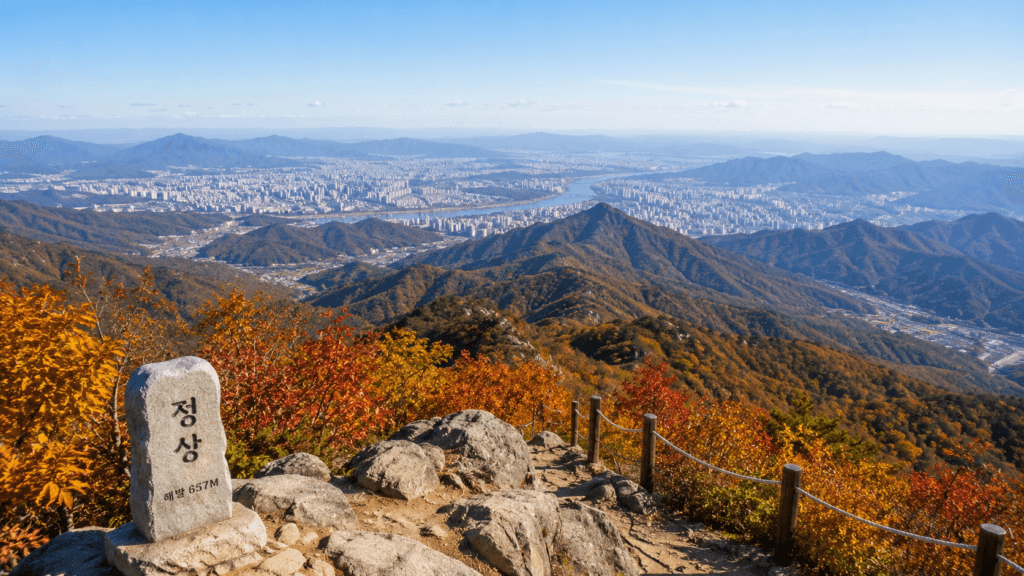
Reaching the Summit Is Only Part of the Experience
For many Koreans, the summit isn’t the only reward.
The journey matters just as much.
Friends encourage one another during difficult climbs.
Families stop to admire scenic viewpoints.
Photographers capture changing landscapes.
Some hikers quietly enjoy a cup of coffee while overlooking valleys below.
Others unpack simple meals or fruit before beginning the descent.
Unlike rushed tourist attractions, hiking encourages people to slow down and fully appreciate their surroundings.
That slower pace has become increasingly valuable in modern life.
Hiking Reflects Korea’s Relationship With Nature
Although South Korea is known worldwide for advanced technology and fast-paced cities, hiking reveals another side of the country.
A deep respect for nature.
Mountains are not viewed as distant wilderness.
They are everyday companions.
Places to exercise.
Think.
Meet friends.
Celebrate seasons.
And reconnect with the natural world.
Perhaps this explains why hiking remains one of Korea’s most beloved activities despite rapid urban development.
Modern buildings may continue rising higher each year, but the mountains remain constant.
For many Koreans, spending time there simply feels like coming home.
Conclusion
To outsiders, hiking in Korea may seem like just another outdoor activity.
But for millions of Koreans, it represents much more.
It supports physical health, strengthens friendships, reduces stress, and provides regular opportunities to reconnect with nature.
The accessibility of mountains, combined with a culture that values wellness and community, has transformed hiking into an essential part of everyday life.
Whether climbing before sunrise, enjoying colorful autumn leaves, or sharing snacks at the summit with friends, every hike becomes another reminder that some of life’s greatest rewards come from slowing down and appreciating the journey.
For those looking to experience Korea beyond its cities, few activities offer a more authentic glimpse into Korean daily life than following a mountain trail.
In our next article, we’ll explore another way Koreans reconnect with nature as we discover Weekend Getaways in Korea: Why Koreans Love Short Nature Escapes.
FAQ
Why is hiking so popular in Korea?
Because mountains are easily accessible from most cities, making hiking an affordable and convenient weekend activity for people of all ages.
Do beginners hike in Korea?
Yes. Korea offers thousands of trails ranging from easy walking paths to challenging mountain climbs.
What should I wear when hiking in Korea?
Comfortable hiking shoes, breathable clothing, water, and weather-appropriate layers are recommended. Many Koreans also use trekking poles on longer trails.
Which season is best for hiking in Korea?
Autumn is the most popular because of colorful foliage, but every season offers unique scenery and enjoyable hiking conditions.
Is hiking part of Korean culture?
Absolutely. Hiking is deeply connected to Korean wellness, social life, and appreciation for nature, making it one of the country’s most beloved outdoor activities.
Previous Articles
- Korean Park Culture: Why Parks Matter in Everyday Korean Life
- Outdoor Exercise in Korea: Why Koreans Stay Active All Year Round
- Why Koreans Walk So Much: The Hidden Health Benefit of Korean Cities
- How Koreans Balance Work, Wellness, and Social Life
- The Rise of Running Clubs in Korea
Next Article
- Weekend Getaways in Korea: Why Koreans Love Short Nature Escapes