Long after the final episode ends, many Korean drama fans remember one thing before anything else.
Not a line of dialogue.
Not a dramatic plot twist.
Not even the ending.
They remember the music.
A single piano melody can instantly bring back the memory of a heartbreaking farewell.
A soft acoustic guitar can remind viewers of a first confession.
One familiar chorus is often enough to transport fans back to an unforgettable scene they watched months—or even years—ago.
This emotional connection is one of the defining characteristics of Korean dramas.
The soundtrack is never simply background music.
It becomes part of the story itself.
Unlike productions where music constantly fills the silence, Korean dramas often use carefully selected songs at exactly the right moment, allowing every note to strengthen the emotions already unfolding on screen.
This careful approach helps explain why so many K-drama soundtracks continue attracting millions of listeners long after a series has finished airing.
If you’ve already explored Why Korean Dramas Feel More Emotional Than Hollywood Shows, you’ve seen how Korean storytelling gradually builds emotional connections. Music becomes one of the most powerful tools supporting those emotions without overwhelming them.
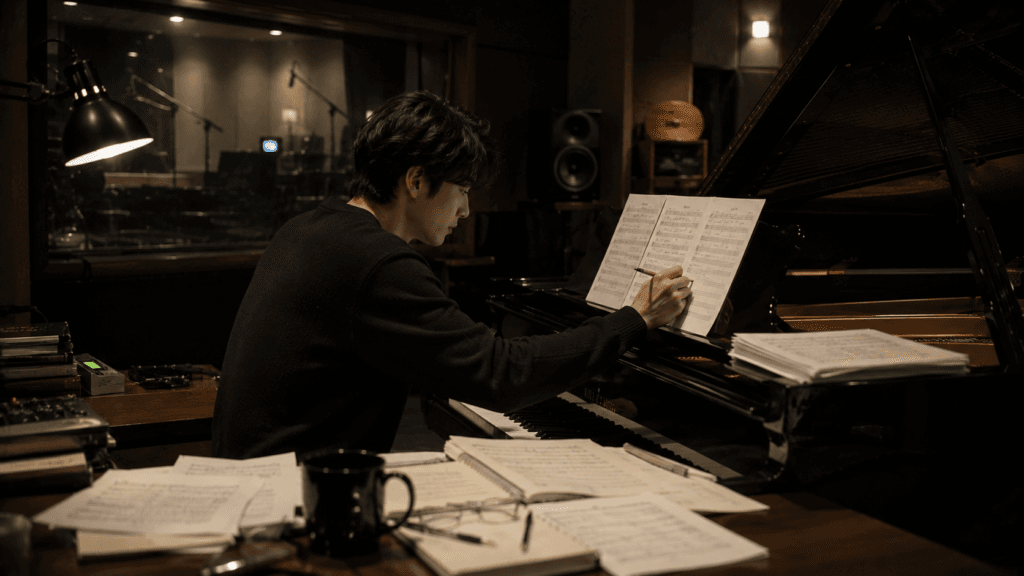
In Korean Dramas, Music Is Part of the Narrative
In many television series, music serves mainly as background.
It helps fill quiet moments or signals that something exciting is about to happen.
Korean dramas often take a different approach.
Instead of treating music as decoration, directors frequently use it as part of the storytelling itself.
A particular melody may become closely connected to one relationship.
Another theme may appear only when a certain character faces an important decision.
Some songs return throughout an entire series, evolving alongside the characters until they become emotional symbols rather than simple pieces of music.
Because viewers repeatedly hear these melodies during meaningful moments, the soundtrack becomes inseparable from the story.
Long after the drama ends, hearing the same song often recreates the emotions audiences experienced while watching.
Rather than reminding people of a television show, the music reminds them of how that story made them feel.
Silence Can Be Just as Powerful as Music
One reason Korean drama soundtracks feel so effective is that they are not constantly present.
Many emotional scenes begin in complete silence.
Characters hesitate before speaking.
A long pause lingers.
Only natural sounds fill the room.
This restraint creates anticipation.
When music finally enters, it feels earned.
Instead of telling viewers how they should feel, the soundtrack gently follows emotions that are already developing naturally through the performances.
This balance between silence and music allows emotional scenes to breathe.
The audience has time to observe facial expressions, body language, and quiet conversations before the soundtrack gradually deepens the emotional atmosphere.
That subtle timing is rarely accidental.
It is carefully planned during post-production, where editors, directors, and composers work together to decide exactly when each piece of music should begin—and just as importantly, when it should end.
This close creative collaboration is one reason Korean productions achieve such strong emotional consistency. If you’re interested in how music becomes part of the final production process, How Korean Dramas Are Made: Behind the Scenes explores how editing, sound design, and storytelling come together after filming is complete.
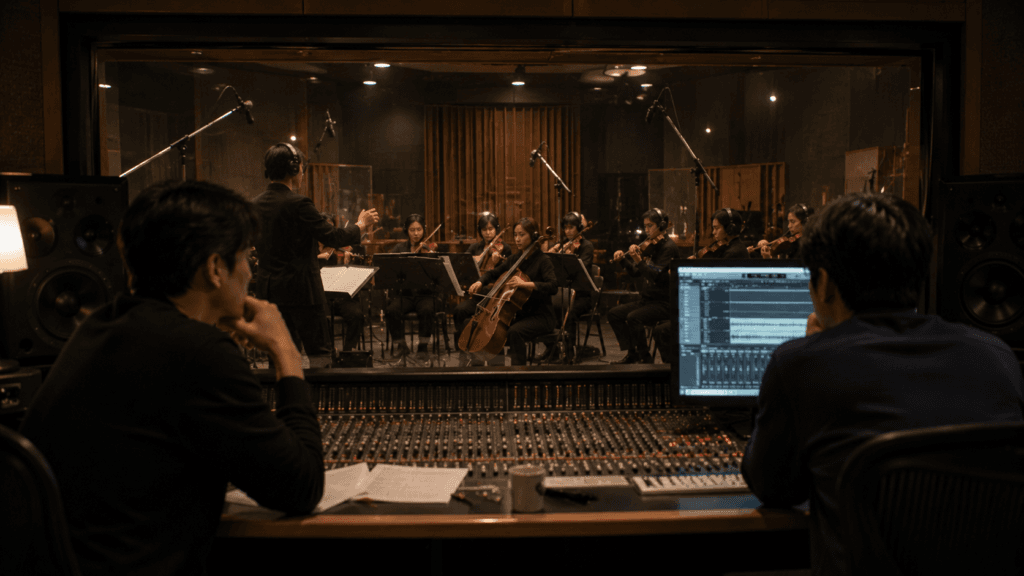
Original Songs Create Lasting Memories
Unlike generic background scores, many Korean dramas feature original songs written specifically for a single series.
Composers work closely with directors to understand the story’s emotional arc before writing music.
Lyrics may reflect a character’s unspoken feelings.
A melody may intentionally evolve as relationships change.
Even instrumental themes are carefully designed to support the unique atmosphere of one drama rather than being reused elsewhere.
This creative approach gives many OSTs an identity of their own.
Fans often continue listening long after finishing a drama because the music stands on its own while still carrying memories of the story.
For many viewers, hearing a familiar OST doesn’t simply remind them of a favorite scene.
It brings back the emotions they experienced while living alongside the characters.
Composers Begin Long Before Viewers Hear the First Note
A memorable soundtrack rarely appears after a drama has been completed.
In many productions, composers become involved while the story is still taking shape.
Directors share scripts, character backgrounds, and the emotional direction of key scenes long before post-production begins.
Rather than simply asking for beautiful music, they discuss questions such as:
What should the audience feel at this moment?
Should this relationship sound hopeful or bittersweet?
Should silence carry the emotion before the music enters?
These conversations allow composers to create themes that belong specifically to one drama.
Instead of writing songs that could fit any television series, they build music that reflects the emotional identity of a particular story.
As filming progresses, composers continue refining melodies while editors test different versions against the footage.
Sometimes a single scene is viewed repeatedly with several musical arrangements before the creative team finds the one that feels emotionally honest.
This close collaboration is one reason Korean drama soundtracks feel inseparable from the stories they accompany.
Why Some Korean Drama OSTs Become Global Hits
Many television soundtracks disappear as soon as a series ends.
Korean drama OSTs often continue finding new audiences for years.
Part of that success comes from emotional association.
Listeners are not simply replaying a song.
They are revisiting a memory.
One melody may remind them of a first kiss.
Another recalls a heartbreaking farewell.
A familiar chorus can instantly recreate the atmosphere of an entire episode.
Because the music is so closely connected to meaningful moments, fans continue listening even after finishing the drama.
Streaming platforms have made this connection even stronger.
Viewers can immediately add an OST to their playlists, introducing the music to people who may never have watched the series itself.
Some listeners discover a song first and only later decide to watch the drama behind it.
In this way, music often becomes another gateway into Korean entertainment.
As Korean dramas continue reaching global audiences, their soundtracks help extend the emotional experience far beyond the television screen.
Music Strengthens Performances Rather Than Replacing Them
A common misunderstanding is that emotional music creates emotional scenes.
In reality, music can only strengthen emotions that already exist.
If an actor’s performance feels unconvincing, even the most beautiful soundtrack cannot rescue the scene.
Korean productions understand this balance remarkably well.
Directors usually allow actors to establish the emotional foundation before introducing music.
Viewers first connect with facial expressions, body language, silence, and dialogue.
Only then does the soundtrack gradually deepen what audiences are already feeling.
This approach explains why Korean dramas rarely feel emotionally manipulative.
The music follows the performance rather than leading it.
That philosophy also reflects the collaborative nature of Korean productions.
As explored in The Korean Actor Training System Explained, natural performances begin with careful preparation. Music becomes another creative layer supporting the emotions actors have already built on screen.
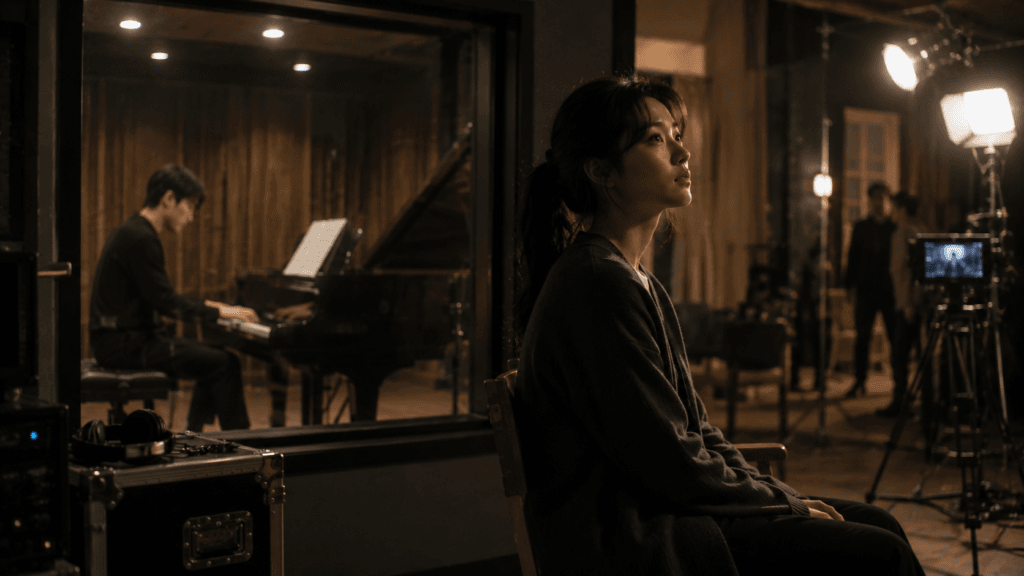
Why Fans Keep Listening Long After the Drama Ends
One of the most remarkable qualities of Korean drama soundtracks is their longevity.
Years after a series finishes airing, fans continue returning to the music.
This lasting appeal exists because the songs become attached to personal memories.
People remember where they were when they watched a particular episode.
They remember the characters they loved.
They remember the emotions they experienced.
The soundtrack becomes part of those memories.
Listening to the music feels less like replaying a television score and more like revisiting a meaningful chapter of their own lives.
Very few forms of television create this kind of lasting emotional relationship with music.
It is one reason Korean drama OSTs continue attracting listeners long after newer dramas have appeared.
Conclusion
The most memorable Korean drama soundtracks do far more than accompany a story.
They become part of it.
Through thoughtful collaboration between composers, directors, editors, and actors, music is woven into the emotional fabric of every episode.
Silence creates anticipation.
A single melody reinforces a relationship.
An original song gives unforgettable scenes a lasting emotional identity.
That careful balance explains why Korean drama OSTs continue resonating with audiences around the world.
Even after viewers forget individual lines of dialogue, they often remember the music—and with it, the emotions that made the story unforgettable.
Frequently Asked Questions
What does OST mean in Korean dramas?
OST stands for Original Soundtrack, referring to the songs and background music created specifically for a drama.
Are Korean drama OSTs written for each series?
Many are. Original songs and instrumental themes are often composed to match the unique emotional tone and story of a particular drama.
Why are K-drama soundtracks so emotional?
They are carefully timed to support performances and storytelling rather than simply providing background music, making emotional moments feel more authentic.
Do popular OSTs become successful outside Korea?
Yes. Many Korean drama soundtracks gain millions of streams internationally and introduce new audiences to Korean music as well as Korean dramas.
Why do fans keep listening to OSTs after finishing a drama?
Because the music becomes closely connected to memorable characters, relationships, and emotional moments, allowing listeners to relive those experiences long after the series has ended.
Continue Exploring
If you enjoyed this article, you may also like: