Have you ever finished a Korean drama and found yourself thinking about the characters days later? Maybe you felt unexpectedly attached to their struggles, celebrated their victories, or even became emotional during scenes that seemed surprisingly simple.
Many international viewers notice this difference almost immediately. Even those who regularly watch Hollywood movies and television often describe Korean dramas as being “more emotional” or “more heartfelt.”
But why does this happen?
The answer isn’t that Korean dramas simply try harder to make people cry. Instead, they follow a different storytelling philosophy—one that values emotional connection before spectacle, relationships before action, and character growth before constant plot twists.
This approach allows viewers to spend more time living alongside the characters instead of simply watching events unfold. As a result, emotional moments often feel genuine rather than manufactured.
If you’re new to Korean dramas, begin with What Makes Korean Dramas Different from Western TV? to understand the storytelling style that has made K-dramas a global phenomenon.
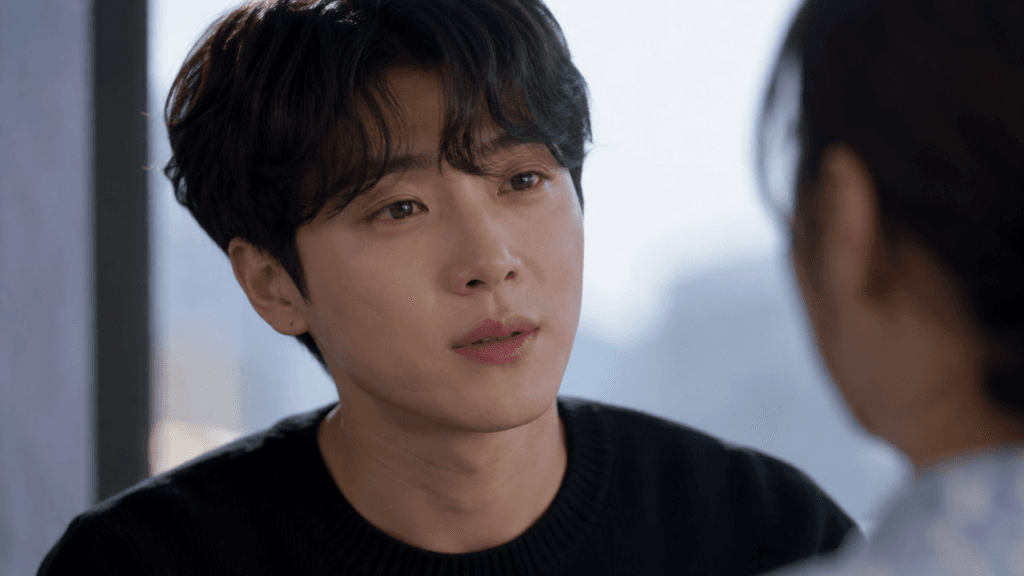
Emotional Connection Comes Before Big Drama
Many Hollywood productions capture attention by introducing conflict almost immediately.
Explosions.
Car chases.
High-stakes missions.
Unexpected plot twists.
These techniques create excitement from the beginning, but they also leave less time for viewers to truly understand the people involved.
Korean dramas often reverse this formula.
Instead of asking, “How do we surprise the audience?”, many writers ask, “How do we make the audience care?”
The opening episodes frequently focus on ordinary moments that reveal a character’s personality, relationships, ambitions, and insecurities.
You might watch coworkers sharing lunch.
Neighbors greeting one another every morning.
A daughter quietly helping her father after work.
Friends joking during a late-night meal.
At first, these scenes may seem uneventful.
However, they gradually build emotional familiarity.
By the time serious conflicts appear later in the story, viewers already understand who these people are and why their struggles matter.
This emotional investment transforms even relatively small moments into scenes with lasting impact.
Characters Grow Like Real People
One reason Korean dramas resonate so strongly is their commitment to believable character development.
Rather than presenting heroes who remain largely unchanged, many K-dramas allow characters to learn from mistakes, overcome personal fears, repair broken relationships, and gradually become better versions of themselves.
This transformation rarely happens overnight.
Growth unfolds through dozens of conversations, setbacks, misunderstandings, and moments of reflection.
A selfish executive slowly learns empathy.
A shy student gains confidence.
Estranged family members rebuild trust after years of silence.
Because these changes happen gradually, viewers often feel as though they are growing alongside the characters.
Hollywood productions certainly include character development, but Korean dramas typically devote more screen time to the emotional journey itself rather than treating it as something secondary to the main plot.
That slower pace gives audiences time to recognize small changes that might otherwise go unnoticed.
The result is a stronger emotional payoff when characters finally overcome the obstacles they’ve faced throughout the story.
Family Is More Than a Supporting Storyline
Family relationships play an especially important role in Korean storytelling.
Parents, grandparents, siblings, and even extended relatives are rarely included simply to fill the cast.
Instead, they shape the decisions, values, and emotional growth of the main characters.
Many Korean dramas explore universal family experiences.
Supporting aging parents.
Resolving long-standing misunderstandings.
Balancing career ambitions with family responsibilities.
Protecting younger siblings.
Learning to forgive.
Although these situations reflect aspects of Korean culture, they also resonate with audiences around the world because they deal with emotions that cross cultural boundaries.
Even viewers with very different backgrounds often recognize pieces of their own families within these stories.
This emotional familiarity creates deeper connections than dramatic action sequences alone ever could.
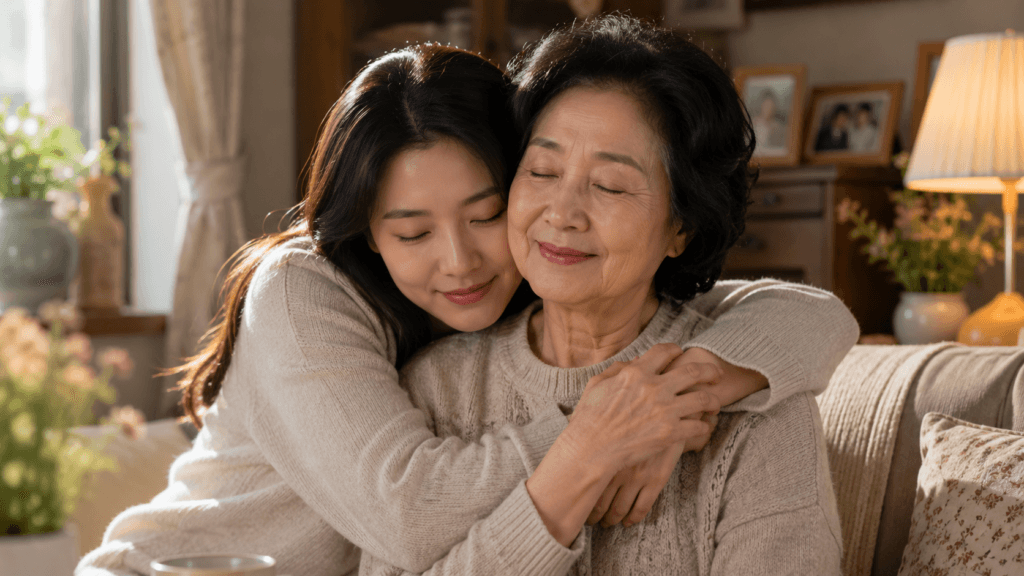
[Image Placement: A daughter quietly embracing her elderly mother inside a warm Korean home, reflecting the importance of family relationships in Korean dramas.]
Silence Can Be More Powerful Than Dialogue
Another characteristic that distinguishes Korean dramas is their willingness to slow down.
Many memorable scenes contain surprisingly little dialogue.
A lingering glance.
A hesitant smile.
Someone waiting outside in the rain.
Two people sharing a quiet meal without speaking.
These moments allow viewers to interpret emotions naturally instead of having every feeling explained through conversation.
Music, camera movement, lighting, and facial expressions work together to communicate what words cannot.
Rather than rushing from one dramatic event to another, Korean dramas often create emotional space where audiences can reflect alongside the characters.
This slower rhythm may initially surprise viewers accustomed to faster storytelling, but many eventually discover that these quiet moments become the scenes they remember most.
If you’re still exploring different styles of Korean television, Korean Drama Genres Explained: Romance, Thriller, Historical & More explains how emotional storytelling changes across different genres.
[Image Placement: A lone figure standing at a quiet Seoul bus stop on a rainy evening, creating a reflective and cinematic atmosphere.]
Music Becomes Part of the Story
One of the most recognizable features of Korean dramas is the way music supports emotional storytelling.
Unlike many television shows where background music simply fills quiet moments, Korean drama original soundtracks—commonly known as OSTs—are carefully chosen to strengthen the emotional impact of each scene.
A single melody may appear throughout an entire series, but each time it carries a different meaning.
The same song that plays during a character’s happiest moment may later return during a heartbreaking farewell. Because viewers already associate that melody with earlier memories, the emotional effect becomes even stronger.
Many Korean dramas also release original songs performed by well-known singers or K-pop artists. These tracks often become successful long after the drama ends, allowing fans to relive memorable scenes whenever they hear the music again.
The soundtrack doesn’t simply accompany the story.
It becomes part of the story itself.
This close relationship between music and storytelling is one reason emotional scenes remain vivid in viewers’ memories long after the final episode.
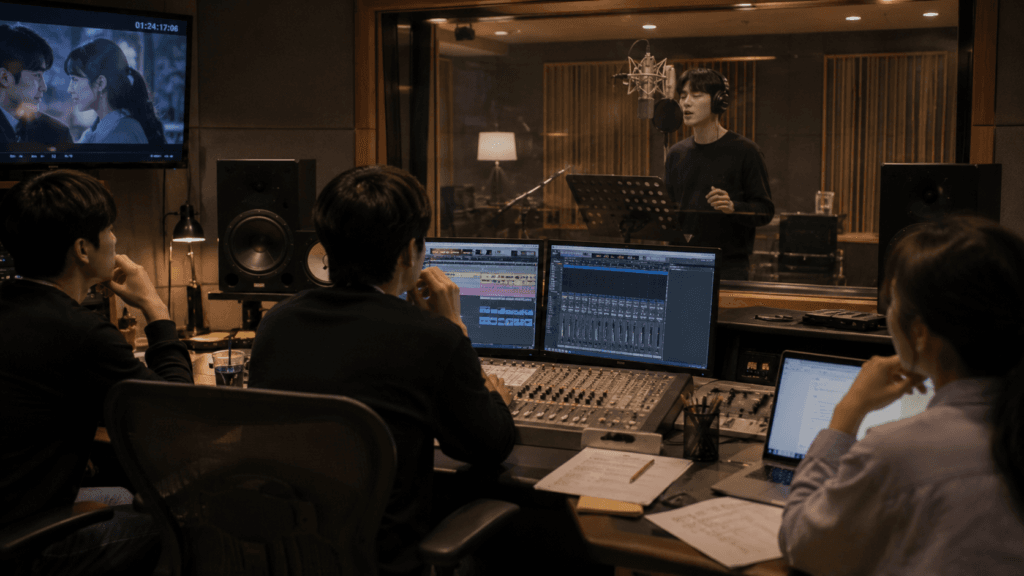
[Image Placement: A professional recording studio where a vocalist performs an original soundtrack for a Korean drama while musicians and producers work behind the glass.]
Slow-Burn Romance Creates Stronger Emotional Payoffs
Romance in Korean dramas is often described as a “slow burn,” and that deliberate pacing is one of its greatest strengths.
Instead of rushing relationships, writers spend time building trust, friendship, and emotional understanding between characters.
Viewers watch two people gradually learn about one another through everyday experiences.
Sharing an umbrella during unexpected rain.
Waiting together after work.
Preparing a meal.
Offering quiet support during difficult times.
Individually, these moments seem small.
Together, they create relationships that feel believable.
Because audiences witness every step of that journey, important milestones carry far greater emotional weight.
A confession of love.
A long-awaited reunion.
A simple hand held for the first time.
These scenes feel meaningful because they are the result of everything that came before.
This storytelling style also makes romantic relationships feel connected to the larger story rather than existing only to satisfy audience expectations.
Love develops naturally alongside career challenges, family conflicts, personal healing, and individual growth.
The relationship becomes part of the characters’ lives—not the only thing defining them.
Why Viewers Around the World Become So Attached
Perhaps the biggest reason Korean dramas leave such a lasting impression is that they encourage viewers to spend time with their characters rather than simply observe them.
The audience celebrates birthdays.
Shares family dinners.
Experiences career setbacks.
Feels the awkwardness of first love.
Mourns loss.
Celebrates personal victories.
These everyday experiences create familiarity.
By the time the story reaches its emotional climax, the characters no longer feel like strangers on a screen.
They feel like people you’ve known for weeks.
This emotional connection helps explain why fans continue discussing certain dramas years after they finish watching them.
Many viewers even revisit favorite series, discovering new emotional details that they missed the first time.
The experience goes beyond entertainment.
It becomes something personal.
If you’re wondering why many Korean dramas conclude after a single season, Why Korean Dramas Usually Have Only 16 Episodes explains how complete storytelling strengthens these emotional connections instead of stretching them across multiple years.
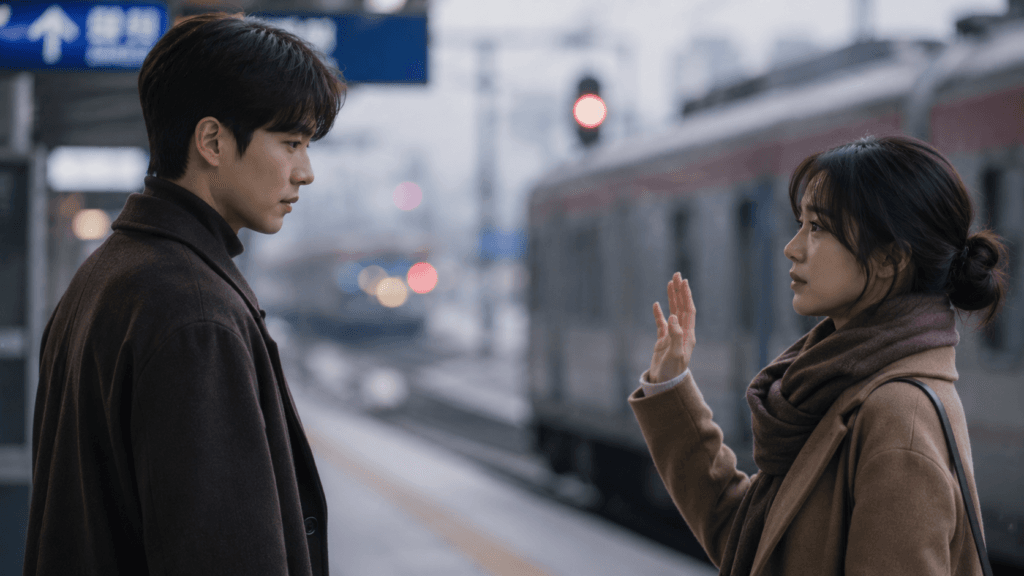
[Image Placement: A quiet farewell scene at a train station, where two characters exchange a heartfelt goodbye with restrained emotion and cinematic framing.]
Emotion Is the Heart of Korean Storytelling
Although Korean dramas cover countless genres—from crime thrillers and medical series to fantasy adventures and historical epics—they all share one common philosophy.
The audience should care about the people before they care about the plot.
Action scenes become more exciting because viewers understand what’s at stake.
Mysteries become more engaging because they involve characters whose lives matter.
Romances become unforgettable because audiences have watched every stage of the relationship.
Even historical dramas become more meaningful because they focus on human emotions rather than historical events alone.
This emotional foundation is what allows Korean dramas to connect with viewers across different cultures, languages, and generations.
While storytelling techniques continue evolving, that focus on authentic human emotion remains one of the defining characteristics of Korean entertainment.
Conclusion
Korean dramas feel more emotional than many Hollywood shows because they place human relationships at the center of every story.
Instead of relying on constant action or dramatic twists, they build emotional investment through realistic character development, meaningful family relationships, carefully paced romance, memorable music, and quiet moments that allow feelings to unfold naturally.
These storytelling choices invite viewers to become emotionally involved rather than simply entertained.
That is why so many people finish a Korean drama feeling as though they are saying goodbye to real friends instead of fictional characters.
Whether you’re watching your very first K-drama or your fiftieth, it’s this emotional authenticity that continues to make Korean storytelling resonate with audiences around the world.
Frequently Asked Questions
Why do Korean dramas feel more emotional than Hollywood shows?
Korean dramas spend more time developing characters and relationships before introducing major conflicts, creating stronger emotional connections with viewers.
Are Korean dramas always slow-paced?
No. Action, thriller, and crime dramas can move very quickly, but they still prioritize character development alongside the main plot.
Why are Korean drama soundtracks so memorable?
OSTs are carefully integrated into the story, allowing music to reinforce important emotional moments throughout the series.
Is romance the main reason Korean dramas feel emotional?
Romance is important, but family relationships, friendships, personal growth, and everyday life all contribute to the emotional depth of Korean dramas.
Can someone who doesn’t enjoy romance still appreciate Korean dramas?
Absolutely. Thrillers, crime dramas, historical series, fantasy, and medical dramas all use the same emotionally driven storytelling approach without focusing primarily on romance.
Continue Exploring
If you enjoyed this article, you may also like:
•What Makes Korean Dramas Different from Western TV?
•How to Start Watching Korean Dramas: A Beginner’s Guide
•Korean Drama Genres Explained: Romance, Thriller, Historical & More
•Why Korean Dramas Usually Have Only 16 Episodes