Weekend Getaways in Korea have become one of the most enjoyable parts of modern Korean life. While many visitors associate South Korea with busy cities, fast technology, and a fast-paced lifestyle, weekends often tell a very different story. Every Friday evening, countless Koreans leave the city in search of mountains, beaches, forests, rivers, peaceful cafés, and quiet countryside destinations.
Some drive to mountain villages for fresh air. Others take the train to coastal towns for seafood and ocean views. Families book cozy pensions near rivers, couples look for scenic cafés, and groups of friends plan short nature escapes that help them recover from a demanding week.
Unlike long vacations that require extensive planning, Weekend Getaways in Korea are usually short, practical, and easy to fit into a busy schedule. A simple one-night trip can feel like a full reset.
This is why short domestic travel has become such an important part of Korean wellness culture. It is not only about sightseeing. It is about slowing down, breathing differently, eating well, spending time with loved ones, and returning home with enough energy to begin another week.
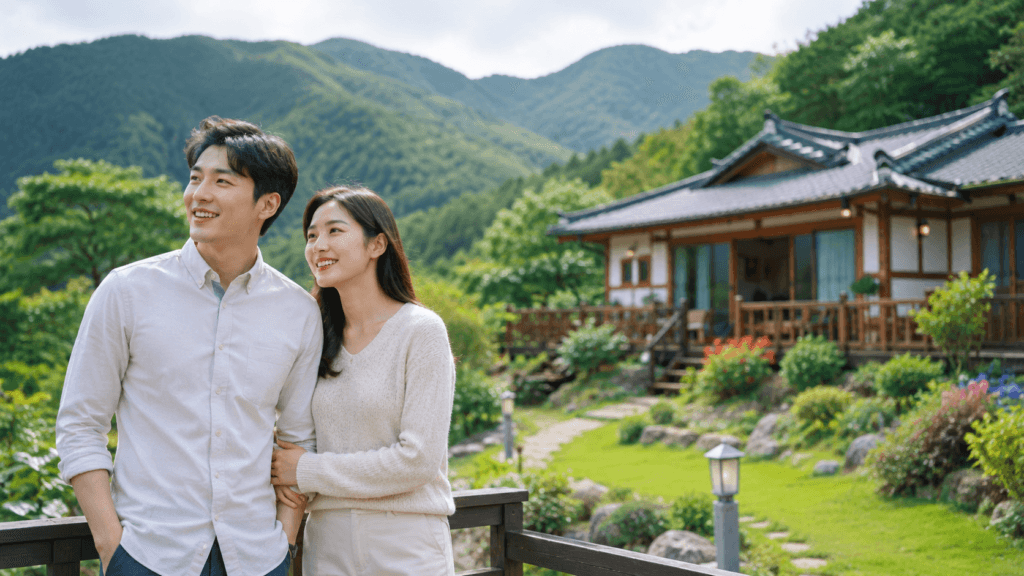
Why Weekend Getaways in Korea Are So Easy
One of the biggest reasons Weekend Getaways in Korea are so popular is simple: the country is easy to travel around.
South Korea is relatively compact, but it offers an impressive variety of landscapes. Within just a few hours, travelers can reach beaches, mountains, forests, lakes, rivers, islands, hot springs, and historic villages.
From Seoul, people can travel to places like Gangneung, Sokcho, Chuncheon, Jeonju, Gyeongju, or the western coast without needing a long holiday. High-speed trains, express buses, and highways make weekend travel accessible even for people with limited time.
This convenience changes how people think about rest.
Instead of waiting for a long vacation once or twice a year, many Koreans treat short trips as a regular lifestyle habit. Leaving the city for one night can be enough to feel refreshed.
Weekend Getaways in Korea are popular because traveling rarely takes more than a few hours. This makes short nature escapes realistic even for office workers, students, families, and couples who only have Saturday and Sunday free.
Escaping the City Without Going Far
Many Koreans do not necessarily travel far on weekends. The goal is often not distance, but atmosphere.
A destination only needs to feel different from daily life.
A quiet mountain road.
A seaside café.
A small pension near a stream.
A forest walking trail.
A countryside restaurant serving local food.
A lakeside camping site where the city feels far away.
This is why even short trips can feel emotionally meaningful. After a week of crowded subways, office schedules, school pressure, and digital noise, a slower environment gives people space to breathe.
For many travelers, the best weekend trip is not the busiest one. It is the one that allows them to pause.
This connects naturally with Why Koreans Love Hiking: The Mountain Culture That Shapes Korean Life, where mountains offer another way to escape the pressure of city life without needing a long vacation.
Nature Becomes the Main Destination
In many Weekend Getaways in Korea, nature is not just background scenery. It becomes the main purpose of the trip.
Popular weekend activities include forest walks, hiking, beach walks, cycling, camping, glamping, visiting botanical gardens, watching sunsets, walking along rivers, and relaxing at lakeside cafés.
These trips are often simple.
People may not visit many famous landmarks. Instead, they might spend the afternoon drinking coffee with a mountain view, walking slowly beside the sea, or sitting outside a pension while preparing a barbecue dinner.
This kind of travel reflects a broader Korean wellness habit: recovery through small, consistent breaks.
Just as Korean parks, walking paths, and hiking trails support everyday wellness, weekend nature escapes help people reset on a deeper level. They provide a clear separation between weekday responsibilities and weekend rest.
Many visitors quickly understand why Weekend Getaways in Korea have become such an important lifestyle tradition. They are practical, restorative, and deeply connected to the Korean appreciation for seasonal nature.
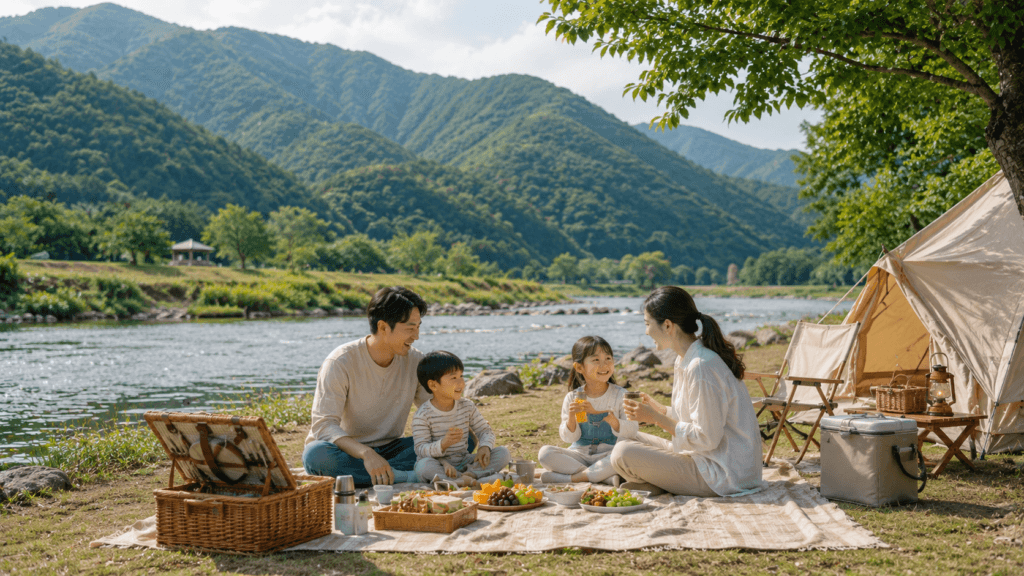
The Popularity of Pensions, Hanoks, and Glamping
Accommodation plays a major role in Korean weekend travel culture.
Many travelers stay at pensions, which are privately operated guesthouses often located near mountains, beaches, valleys, rivers, or countryside destinations. Pensions usually feel more personal than hotels. Some have gardens, outdoor barbecue areas, terraces, private pools, or views of nearby nature.
For families and groups of friends, pensions are especially popular because they allow people to cook, talk, and spend time together in a relaxed setting.
Traditional hanok stays are also popular. These Korean-style houses offer wooden architecture, quiet courtyards, and a slower atmosphere that feels very different from city apartments. For visitors interested in Korean culture, a hanok stay can make a weekend trip feel more memorable.
Glamping has also grown quickly in Korea. It offers the atmosphere of camping without the inconvenience of bringing full outdoor equipment. Many glamping sites include beds, heating, air conditioning, private decks, and barbecue spaces.
This mix of comfort and nature is one reason glamping fits modern Korean travel so well. People want fresh air and outdoor scenery, but they also appreciate convenience.
Unlike long vacations, Weekend Getaways in Korea fit easily into busy work schedules because accommodation options are designed for short stays.
Food Is Part of the Journey
Food is another major reason Koreans love short weekend trips.
Every region has something local to offer. Coastal towns are known for fresh seafood. Mountain areas may serve vegetable dishes, mushroom soups, grilled meat, or traditional stews. Countryside towns often highlight local produce, handmade noodles, rice dishes, or seasonal fruit.
For many Koreans, choosing where to eat is just as important as choosing where to stay.
A weekend trip might include a famous local restaurant, a small market, a bakery café with a scenic view, or a simple roadside meal that becomes unexpectedly memorable.
This connection between travel and food reflects a deeper Korean belief that eating well is part of living well. It also connects to Korean Food Philosophy: The Secret of Yak-Sik-Dong-Won, where food is understood not only as taste, but also as comfort, balance, and care for the body.
Weekend food experiences are rarely only about luxury. They are about sharing. Families gather around a table. Friends barbecue together outside. Couples enjoy coffee and dessert with a view. These moments often become the emotional center of the trip.
Best Weekend Getaways in Korea for First-Time Visitors
For first-time visitors, choosing where to go can feel overwhelming because Korea offers so many short-trip options. However, several destinations are especially popular for weekend travel.
Gangneung
Gangneung is known for beaches, coffee culture, ocean views, and a relaxed coastal atmosphere. It is a favorite destination for people who want a simple seaside escape from Seoul.
Sokcho
Sokcho is popular because it offers both mountains and the sea. Travelers can visit Seoraksan National Park, enjoy seafood, and experience a slower coastal city atmosphere in one trip.
Jeonju
Jeonju is famous for hanok village scenery, traditional food, and a cultural atmosphere that feels different from Seoul. It is especially good for travelers interested in history and Korean cuisine.
Gyeongju
Gyeongju is often described as an open-air museum because of its historic sites, royal tombs, temples, and calm city layout. It is ideal for a slower weekend focused on culture and walking.
Chuncheon
Chuncheon is known for lakes, rivers, cycling routes, and dakgalbi. It is close enough to Seoul for an easy short trip and offers a peaceful outdoor atmosphere.
Jeju
Jeju is better for a longer weekend, but it remains one of Korea’s most loved nature destinations. Beaches, volcanic landscapes, forests, cafés, and walking trails make it perfect for travelers who want a stronger escape from city life.
These destinations show why Weekend Getaways in Korea can appeal to many different travel styles. Some people want the sea. Some want mountains. Others want food, history, cafés, or quiet countryside views.
Seasonal Travel Keeps Things Fresh
Weekend travel in Korea changes dramatically by season.
Spring
Spring is one of the most beautiful times for short trips. Cherry blossoms, flower festivals, riverside parks, and mild weather make outdoor travel especially popular. Many people plan weekend trips around blooming schedules.
Summer
In summer, people look for beaches, valleys, mountain streams, and cooler forest areas. Coastal cities and water-related destinations become especially busy.
Autumn
Autumn may be the most beloved season for Weekend Getaways in Korea. Mountains and parks turn red, orange, and gold. Hiking trips, countryside drives, and photography-focused travel become extremely popular.
Winter
Winter trips often focus on snow-covered mountains, hot springs, seaside cafés, ski resorts, and cozy pensions. Even cold weather does not stop Koreans from enjoying short escapes.
Because every season creates a different atmosphere, many people return to the same destinations throughout the year. A mountain village in spring feels completely different from the same place in autumn.
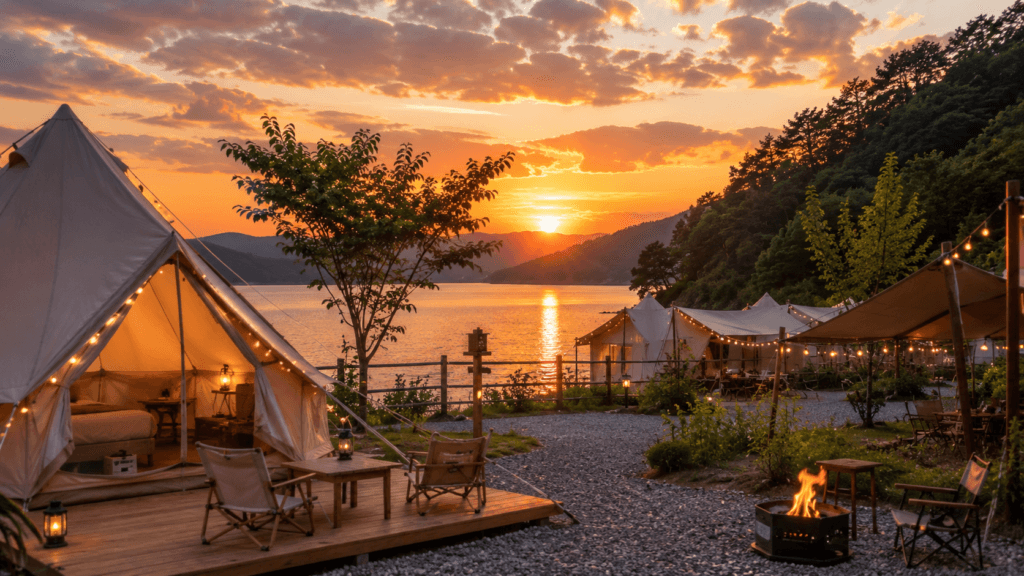
Short Trips Strengthen Relationships
Weekend getaways are not only about rest. They also help strengthen relationships.
Families use short trips to spend time together away from school, work, and household routines. Parents may take children to rivers, farms, beaches, or forests so they can experience nature more directly.
Friends use weekend trips to reconnect. They share meals, take photos, visit cafés, and spend late evenings talking in pensions or glamping sites.
Couples often choose weekend escapes for anniversaries, birthdays, or simply quiet time away from crowded city life.
Even coworkers sometimes travel together for informal bonding, although younger generations are increasingly more selective about mixing work relationships with private time.
The common theme is simple: leaving the usual environment helps people communicate differently. Conversations become slower. Meals last longer. Phones are used more for photos than constant scrolling.
This connects with How Koreans Balance Work, Wellness, and Social Life, where relationships play an important role in emotional well-being.
Tips for Planning Weekend Getaways in Korea
Planning Weekend Getaways in Korea is usually simple, but a few tips can make the trip much smoother.
First, book transportation early during peak seasons. Spring cherry blossom weekends, summer beach season, and autumn foliage periods can become very crowded. KTX tickets, express buses, and popular accommodations may sell out quickly.
Second, avoid leaving too late on Friday evening if traveling by car. Traffic around Seoul and other major cities can become heavy when many people leave at the same time.
Third, choose destinations based on travel time, not only popularity. A famous place may look attractive, but a quieter nearby destination can offer a better weekend experience if it requires less time on the road.
Fourth, check the season carefully. A beach town in summer, a mountain village in autumn, and a hanok stay in winter each offer very different experiences.
Fifth, do not over-plan. The best short nature escapes often include enough empty time to rest. A weekend trip packed with too many activities can feel just as tiring as a workday.
For first-time visitors, it is better to choose one main destination and build the trip around food, nature, and slow movement rather than trying to see everything at once.
Digital Detox Is Becoming More Important
Many Koreans now choose weekend destinations partly because they want a break from screens.
Modern life is full of messages, notifications, work chats, social media, and digital entertainment. Even rest can feel noisy when the phone never stops demanding attention.
Nature-based weekend trips offer a different rhythm.
People walk without rushing.
Watch sunsets.
Drink coffee slowly.
Read books.
Take photos.
Sit near rivers.
Listen to wind, water, and birds instead of traffic or phone alerts.
This does not mean people abandon technology completely. Korea is still highly connected, and phones remain part of the trip. But the focus changes. Technology becomes a tool for capturing memories rather than controlling the entire day.
This is one reason short nature escapes feel emotionally refreshing. They create a small but meaningful distance from constant digital pressure.
Weekend Travel Reflects Korea’s Wellness Philosophy
At its heart, Korean weekend travel is not about luxury.
It is about balance.
Work hard during the week.
Rest intentionally during the weekend.
Spend time in nature.
Eat something nourishing.
Reconnect with loved ones.
Return home feeling lighter.
This rhythm reflects the broader wellness habits found throughout Korean daily life. Walking, hiking, parks, outdoor exercise, wellness cafés, Han River visits, and weekend escapes all belong to the same lifestyle pattern.
Wellness is not treated as one dramatic transformation. Instead, it is built through repeated moments of recovery.
A morning walk.
A park visit.
A mountain hike.
A weekend by the sea.
A bowl of local food.
A quiet night in the countryside.
These small choices accumulate over time and help explain why Korean lifestyle habits have become so fascinating to global audiences.
Conclusion
Weekend Getaways in Korea may only last one or two days, but they play an important role in modern Korean life.
They give people a way to step outside busy city routines, reconnect with nature, enjoy regional food, and spend meaningful time with family, friends, or partners.
They also show that rest does not always require a long vacation. Sometimes, all it takes is a quiet mountain, a peaceful beach, a cozy pension, a good meal, and enough time to breathe deeply before Monday arrives.
Now that you understand why Weekend Getaways in Korea are so popular, it becomes easier to see the bigger picture of Korean wellness culture. Food, walking, parks, hiking, outdoor exercise, cafés, convenience stores, the Han River, and short nature escapes all work together to shape a lifestyle that feels both practical and deeply restorative.
In the final hub article, Korean Lifestyle Guide: Daily Habits Behind Korea’s Global Fascination, we will bring this entire cluster together and explore how these everyday habits explain Korea’s growing global appeal.
FAQ
Why are Weekend Getaways in Korea so popular?
Weekend Getaways in Korea are popular because the country is compact, transportation is convenient, and nature is easy to reach from major cities. Many people can enjoy mountains, beaches, forests, or countryside destinations within just a few hours.
Where do Koreans usually go for weekend trips?
Popular weekend destinations include Gangneung, Sokcho, Jeonju, Gyeongju, Chuncheon, Jeju, coastal towns, mountain villages, lakeside areas, and countryside pensions.
What is a Korean pension?
A Korean pension is a privately operated guesthouse, often located near nature destinations such as mountains, rivers, beaches, or forests. Many pensions include kitchens, barbecue areas, terraces, and rooms designed for families or groups.
Are weekend getaways in Korea expensive?
They can be affordable or expensive depending on the destination, season, and accommodation. Many short trips are budget-friendly because domestic transportation is convenient and travelers can choose pensions, guesthouses, camping sites, or simple day trips.
What is the best season for Weekend Getaways in Korea?
Every season has a different appeal. Spring is popular for flowers, summer for beaches and valleys, autumn for foliage, and winter for snow, hot springs, seaside cafés, and cozy countryside stays.
Continue Exploring
- Why Koreans Love Hiking: The Mountain Culture That Shapes Korean Life
- Korean Park Culture: Why Parks Matter in Everyday Korean Life
- Why Koreans Walk So Much: The Hidden Health Benefit of Korean Cities
- Korean Food Philosophy: The Secret of Yak-Sik-Dong-Won
- How Koreans Balance Work, Wellness, and Social Life
- Outdoor Exercise in Korea: Why Koreans Stay Active All Year Round
Next